Creating a Calm Lifestyle: Practical Steps for 2026

In a world that constantly demands more attention, energy, and time, building a calm lifestyle has become less of a luxury and more of a necessity. The hustle culture that dominated previous decades is giving way to a growing awareness that true success includes mental well-being, emotional balance, and the ability to navigate daily life without constant overwhelm. A calm lifestyle doesn't mean removing all challenges or living without ambition-it means developing the tools, habits, and mindset to move through life with greater ease and intention.
Understanding What a Calm Lifestyle Really Means
A calm lifestyle is fundamentally about creating alignment between your daily actions and your deeper values. It's not about perfection or the absence of stress, but rather about cultivating resilience and developing systems that support your mental and emotional health.
The Foundation of Inner Peace
Building lasting calm begins with recognizing that external circumstances will always fluctuate. The key is developing an internal anchor that keeps you grounded regardless of what's happening around you. This means creating boundaries around your time, energy, and attention while being selective about what you allow into your mental and physical space.
Core elements of a calm lifestyle include:
- Intentional morning and evening routines that bookend your day with stability
- Regular practices that help you process emotions rather than suppress them
- Physical environments that support relaxation and clear thinking
- Relationships that energize rather than deplete you
- Work rhythms that honor your natural energy patterns
The physical and mental health benefits of silence demonstrate how incorporating quiet moments into daily life can lower blood pressure, improve concentration, and reduce stress hormones. These physiological benefits underscore why a calm lifestyle produces tangible improvements in overall health.

Building Your Daily Calm Foundation
The transition to a calm lifestyle happens through small, consistent actions rather than dramatic overhauls. Your daily foundation determines how you respond to challenges and whether you end each day feeling depleted or restored.
Morning Practices That Set the Tone
How you begin your day creates momentum that carries through every subsequent hour. A calm morning routine doesn't require hours of elaborate rituals-it simply needs intention.
- Wake without immediate stimulation: Resist reaching for your phone first thing
- Move your body gently: Stretching, walking, or light yoga before intense exercise
- Nourish yourself mindfully: Eat breakfast without screens or multitasking
- Set one clear intention: Identify what matters most for the day ahead
- Create transition time: Build buffer space between waking and starting work
These steps create psychological safety and prevent the reactive pattern that leads to constant stress. When you control the first hour of your day, you're more likely to maintain composure during unexpected challenges.
Midday Reset Techniques
Even with strong morning practices, daily pressures accumulate. Building in deliberate pause points prevents overwhelm from building to unmanageable levels. The 5-minute reset offers quick recalibration techniques that fit into any schedule.
| Reset Technique | Time Required | Best Used When |
|---|---|---|
| Box breathing | 2-3 minutes | Feeling anxious or overwhelmed |
| Brief walk outside | 5-10 minutes | Mental fog or low energy |
| Progressive muscle relaxation | 5 minutes | Physical tension buildup |
| Gratitude journaling | 3 minutes | Negative thought spirals |
| Desk stretches | 2 minutes | Prolonged sitting periods |
These micro-practices prevent stress from compounding throughout the day. The cumulative effect of multiple small resets often exceeds what a single long session provides.
Creating Calm Physical Environments
Your surroundings significantly influence your internal state. A calm lifestyle extends beyond personal habits to encompass the spaces where you spend your time.
Decluttering for Mental Clarity
Physical clutter creates cognitive load, even when you're not consciously aware of it. Calming your nervous system while decluttering requires approaching the process with the same gentleness you'd extend to other calm practices.
Start with high-impact areas:
- Your bedroom, prioritizing the surfaces you see first upon waking
- Kitchen counters and dining spaces where you nourish yourself
- Entryways that set the tone when you arrive home
- Your primary workspace, removing visual distractions
Rather than tackling everything at once, dedicate 15 minutes daily to one small zone. This prevents the overwhelm that often derails decluttering efforts and transforms it from a stressful project into a calming ritual.
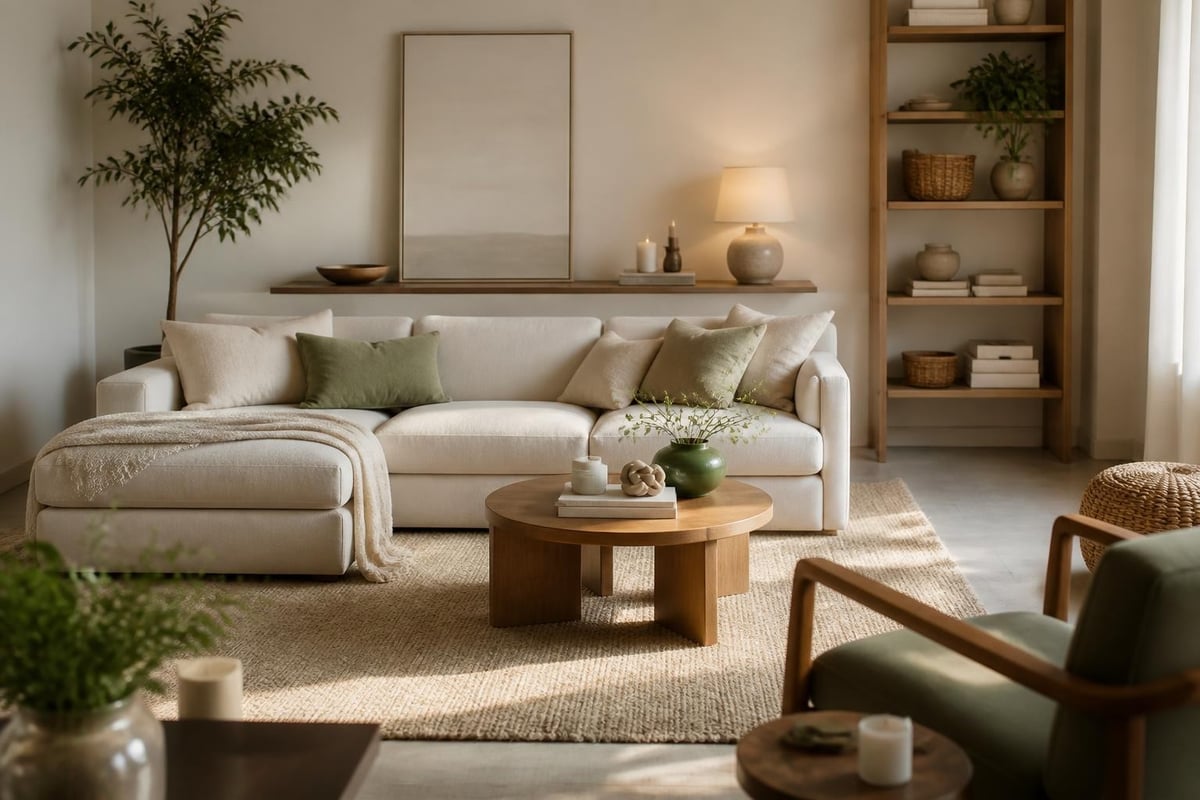
Designing Sensory Calm
Beyond removing excess, intentionally curating your environment supports sustained calm. Consider how each sense experiences your space.
- Visual: Soft, neutral colors; natural light; minimal decorations
- Auditory: White noise machines; nature sounds; designated quiet zones
- Tactile: Comfortable textures; appropriate temperature; quality bedding
- Olfactory: Essential oils; fresh air circulation; natural scents
Managing Digital Overwhelm
Technology offers tremendous benefits but also represents one of the greatest threats to a calm lifestyle. The average person checks their phone over 100 times daily, creating constant mental fragmentation.
Establishing Digital Boundaries
Digital boundaries aren't about completely disconnecting-they're about intentional engagement that serves your well-being rather than undermining it.
Practical digital boundaries include:
- Phone-free mornings (first 30-60 minutes after waking)
- Notification limits (only calls and messages from select contacts)
- App time restrictions (social media limits during work hours)
- Evening cutoffs (screens off 1-2 hours before bed)
- Email checking windows (designated times rather than constant monitoring)
These boundaries create mental space that allows for deeper thinking, better sleep, and genuine presence with people and activities that matter. The initial discomfort of limiting access typically fades within a week, replaced by appreciation for the reclaimed attention.
Curating Your Information Diet
Just as you're selective about food, being intentional about information consumption supports a calm lifestyle. Unsubscribe from newsletters you don't read, unfollow accounts that trigger comparison or anxiety, and create deliberate consumption windows rather than constant grazing.
Many people exploring calming techniques for anxiety discover that reducing information overload produces more relief than any single relaxation method. Your brain needs space to process what it has already absorbed.
Cultivating Calm Through Movement and Rest
Physical practices form essential pillars of sustained calm. Both movement and rest require intention in a culture that often undervalues both.
Movement as Meditation
Exercise doesn't need to be intense to support a calm lifestyle. Gentle, consistent movement often provides more sustained benefits than sporadic intense sessions.
| Movement Type | Calm Benefits | Frequency Recommendation |
|---|---|---|
| Walking | Rhythm, fresh air, perspective | Daily, 20-30 minutes |
| Yoga | Body awareness, flexibility, breath work | 3-4 times weekly |
| Swimming | Full-body relaxation, meditative repetition | 2-3 times weekly |
| Tai Chi | Balance, flow, mindfulness | 2-3 times weekly |
| Stretching | Tension release, body connection | Daily, 10-15 minutes |
Practical strategies to manage anxiety emphasize physical activity as one of the most effective natural approaches. Movement processes stress hormones while producing endorphins that enhance mood and resilience.
The Power of Quality Rest
Rest is a skill that requires practice and intention. Rest is a skill that modern life doesn't naturally teach, making it essential to deliberately cultivate restorative practices.
True rest involves more than sleep-it includes downtime without productivity goals, activities that engage you without depleting you, and permission to simply be without doing. Building regular rest into your schedule prevents the burnout that undermines all other calm practices.

Nourishing Calm Through What You Consume
Food, drink, and substances directly impact your nervous system and capacity for calm. Small shifts in consumption patterns can produce noticeable changes in daily experience.
Foods That Support Stability
Certain foods promote steady energy and emotional balance while others create spikes and crashes that undermine calm. Prioritize whole foods with fiber, protein, and healthy fats that provide sustained fuel.
Calm-supporting foods:
- Leafy greens rich in magnesium
- Fatty fish with omega-3 fatty acids
- Nuts and seeds for sustained energy
- Complex carbohydrates for serotonin production
- Fermented foods supporting gut health
Limiting caffeine, particularly after noon, prevents sleep disruption and reduces anxiety. Natural methods to alleviate anxiety include avoiding caffeine and alcohol, which can exacerbate symptoms even when initially appearing to help.
Hydration and Calm
Dehydration affects mood, concentration, and stress levels before you consciously feel thirsty. Keeping water readily available and drinking consistently throughout the day supports cognitive function and emotional regulation.
Developing Mental and Emotional Practices
A calm lifestyle requires tending to your inner world with the same care you give to external circumstances. Mental and emotional practices build resilience that sustains you through inevitable challenges.
Daily Mindfulness Integration
Daily mindfulness doesn't require formal meditation sessions. It means bringing full attention to ordinary moments throughout your day.
Simple mindfulness practices:
- Eating one meal without screens or reading
- Fully experiencing your shower or morning coffee
- Walking without headphones, noticing your surroundings
- Pausing before transitions between activities
- Taking three conscious breaths before responding to challenging situations
These brief moments of presence accumulate into a fundamentally different relationship with your experience. Rather than constantly living ahead of yourself, you develop the capacity to inhabit the present moment.
Processing Rather Than Suppressing Emotions
A calm lifestyle doesn't mean never experiencing difficult emotions. It means developing healthy ways to acknowledge and process feelings rather than pushing them down where they create internal pressure.
Journaling, talking with trusted friends, working with a therapist, or engaging in creative expression all provide outlets for emotional processing. When you create regular channels for feelings to move through you, you prevent the buildup that leads to overwhelm or unexpected eruptions.
Building Sustainable Social Connections
The people in your life profoundly impact your capacity for calm. Quality relationships provide support, perspective, and connection while draining relationships create ongoing stress.
Evaluating Your Relationships
Not all relationships serve your well-being equally. Taking honest inventory of how different people affect your energy helps you make intentional choices about where to invest your limited social capacity.
- Nourishing relationships: Leave you feeling energized, seen, and supported
- Neutral relationships: Neither particularly energizing nor draining
- Draining relationships: Consistently leave you feeling depleted or anxious
Expanding time with nourishing connections while reducing exposure to draining ones isn't selfish-it's essential maintenance for a calm lifestyle. This might mean longer conversations with close friends and shorter, boundaried interactions with demanding acquaintances.
Creating Connection Rituals
Regular connection points with important people prevent relationships from becoming another source of stress through neglect or guilt. Weekly phone calls, monthly dinner dates, or annual trips create anticipated touchpoints that maintain bonds without constant management.
Addressing a Racing Mind
Even with strong external practices, many people struggle with racing minds that prevent calm. Mental chatter often intensifies during quiet moments, making relaxation feel impossible.
Techniques for Mental Quieting
Effective approaches for managing thought loops:
- Brain dumping: Writing every thought on paper to clear mental space
- Scheduled worry time: Designating 15 minutes to process concerns, then setting them aside
- Counting breaths: Focusing on numerical patterns to interrupt rumination
- Body scanning: Shifting attention from thoughts to physical sensations
- Engaging tasks: Activities requiring enough focus to occupy your mind (puzzles, coloring, crafts)
When your mind races at night, getting up and doing a calm activity for 20 minutes often works better than lying in bed struggling. Your brain learns that bed equals sleep, not worrying.
My Calm Reset offers practical resources including simple calming routines and downloadable guides designed to help you implement these practices without adding complexity to your life. Building a calm lifestyle becomes more achievable when you have structured support and tested frameworks.

Maintaining Calm During Challenging Periods
Life inevitably includes periods of heightened stress-work deadlines, family crises, health challenges, or major transitions. A calm lifestyle doesn't eliminate these experiences but provides tools to navigate them with greater resilience.
Emergency Calm Protocols
Having predetermined responses for high-stress moments prevents reactive decisions that compound problems. Strategies to manage anxiety and anger include breathing techniques, physical activity, and visualization that work quickly when overwhelm hits.
Your emergency calm kit might include:
- Three deep breathing exercises you've practiced when calm
- A playlist of genuinely soothing music
- Contact information for your support network
- Physical activities that release tension (punching pillows, running, cleaning)
- Comforting items that engage your senses (favorite tea, soft blanket, calming scent)
Practicing these tools during ordinary moments builds neural pathways that make them accessible during crises. You can't learn to swim while drowning-you need to develop skills before you urgently need them.
Adjusting Expectations Seasonally
Different life seasons require different approaches. A calm lifestyle during a newborn phase looks different from calm during retirement. Rather than rigidly adhering to specific practices, the underlying commitment to your well-being remains constant while methods adapt.
During intense periods, your daily calm habits might shrink to bare minimums-five minutes of breathing, one walk, adequate sleep. These scaled-back versions still provide anchoring when you can't maintain your full routine.
Tracking Progress Without Perfectionism
Measuring the impact of calm practices helps maintain motivation while avoiding the trap of turning well-being into another performance metric.
Meaningful Indicators of Change
Rather than tracking every practice obsessively, notice broader patterns in your experience:
| Area | Signs of Progress |
|---|---|
| Sleep | Falling asleep faster, fewer middle-of-night wakings |
| Mood | More consistent energy, fewer emotional extremes |
| Relationships | More patience, better listening, less reactive conflict |
| Work | Better focus, fewer overwhelmed moments, clearer decisions |
| Physical health | Reduced tension headaches, better digestion, stable appetite |
These qualitative shifts often appear before quantitative changes like lower blood pressure or improved lab results. Trust your lived experience as valid data about whether your calm lifestyle is working.
Celebrating Small Wins
Building a calm lifestyle happens through accumulation of small choices, not dramatic transformations. Acknowledging when you choose the calming option-taking the walk instead of scrolling, going to bed on time, saying no to an obligation-reinforces these patterns.
Each choice builds evidence that you're someone who prioritizes calm, gradually shifting your identity and making aligned decisions feel more natural. The compound effect of these small wins creates genuine, lasting change that weathers life's inevitable challenges.
Creating a calm lifestyle is an ongoing practice rather than a destination you reach and maintain effortlessly. The strategies, habits, and perspectives explored here provide a foundation for building the specific approach that works for your unique life, values, and circumstances. If you're ready to take the next step in your journey toward greater peace and balance, My Calm Reset provides daily support through calming blogs, tested routines, and practical guides designed to make sustainable calm accessible in everyday life.
Get the free Mini Reset
A short sample of the 7-day guide — a gentle practice you can try today. Enter your email and the download link appears instantly.
Free. No spam. Unsubscribe anytime.
Want more calm in your life?
The Calm Reset guide is a 48-page digital book of rituals, prompts, and practices for a calmer life.
Get the Guide