Simple Calming Routines to Reset Your Day

In today's fast-paced world, the ability to calm your nervous system and find moments of peace has become essential for mental well-being. Simple calming routines offer a practical approach to managing stress and anxiety without requiring hours of dedication or complicated techniques. These everyday practices can transform how you navigate challenges, regulate emotions, and create space for clarity in your daily life.
Why Simple Calming Routines Matter for Your Mental Health
Our nervous systems face constant stimulation from notifications, deadlines, and endless to-do lists. When stress becomes chronic, it affects sleep quality, emotional regulation, and overall health. Establishing simple calming routines creates predictable moments throughout your day where your body learns to shift from fight-or-flight mode into rest-and-digest states.
Research shows that consistency matters more than duration when building stress-reducing habits. A five-minute practice performed daily produces more lasting benefits than occasional hour-long sessions. This makes simple calming routines accessible to everyone, regardless of schedule constraints or lifestyle demands.
The Science Behind Calming Practices
When you engage in intentional calming activities, your parasympathetic nervous system activates, lowering cortisol levels and heart rate. This physiological shift doesn't require intense meditation or yoga expertise. Simple techniques like deep breathing exercises and grounding methods trigger these beneficial responses naturally.
Your brain responds to routine by creating neural pathways that strengthen with repetition. Over time, your body begins anticipating these calm moments, making it easier to access relaxed states even during stressful situations.
Morning Routines to Start Your Day with Calm
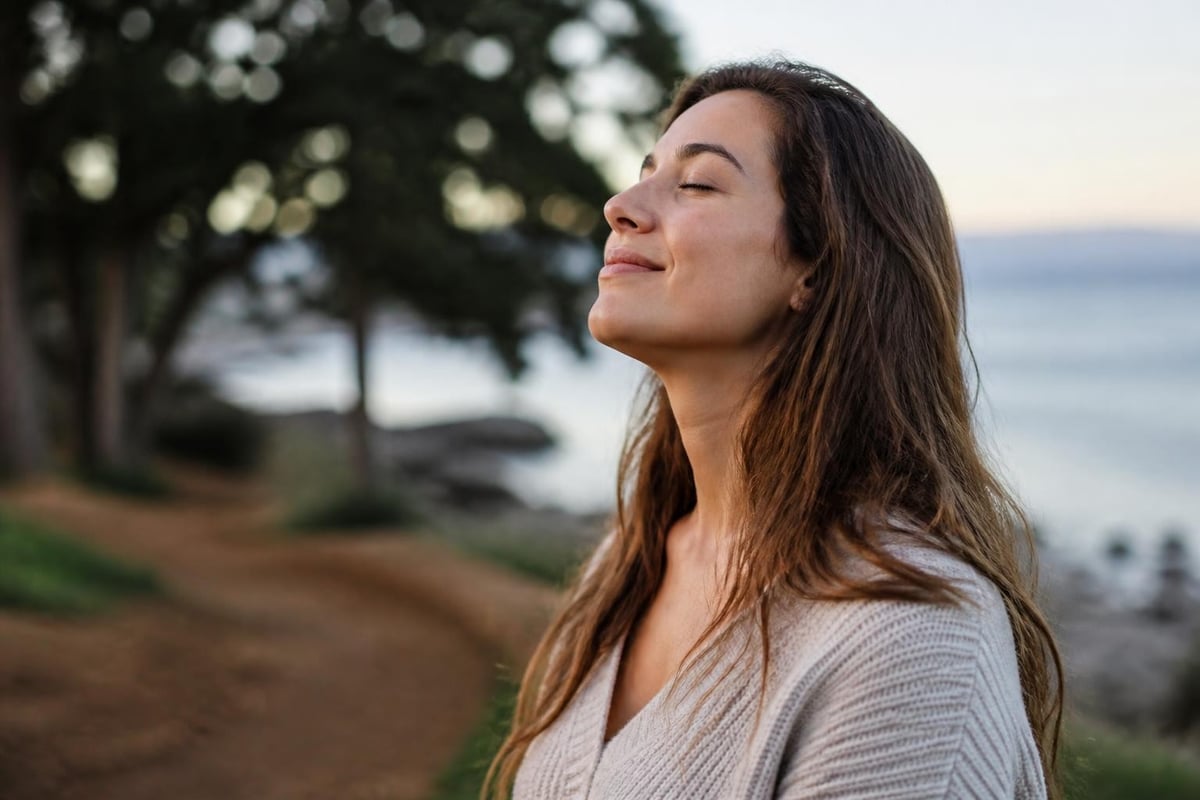
The first hour after waking sets the tone for your entire day. Instead of immediately checking your phone or rushing into tasks, simple calming routines in the morning create a foundation of groundedness that carries forward.
Gentle Wake-Up Practices:
- Allow yourself five minutes of stillness before getting out of bed
- Practice deep belly breathing while still lying down
- Set an intention for the day in one simple sentence
- Avoid screens for the first 20-30 minutes
An anti-anxiety morning routine includes activities that signal safety to your nervous system. This might involve stretching, sipping tea mindfully, or spending a few moments looking out a window at natural light.
Creating Your Morning Sequence
| Activity | Duration | Purpose |
|---|---|---|
| Deep breathing | 3-5 minutes | Oxygenate body, calm nervous system |
| Gentle stretching | 5-7 minutes | Release overnight tension |
| Mindful beverage | 5-10 minutes | Create present-moment awareness |
| Journaling or gratitude | 5 minutes | Set positive mental framework |
The key to sustainable morning simple calming routines lies in choosing practices you genuinely enjoy rather than forcing yourself through activities that feel like obligations. Start with one or two elements and build gradually.
Many people find that incorporating daily mindfulness into their morning hours provides a buffer against the day's stresses. This doesn't require sitting in lotus position-mindfulness can happen while making breakfast or during your shower.
Midday Reset Techniques for Stress Management
Afternoon hours often bring peak stress levels as deadlines loom and energy dips. Simple calming routines strategically placed during midday prevent stress accumulation and restore mental clarity.
Quick Midday Resets:
- The Five-Minute Breathing Break: Step away from your desk and practice box breathing (inhale for 4 counts, hold for 4, exhale for 4, hold for 4)
- Sensory Grounding Walk: Take a brief walk focusing on what you can see, hear, and feel
- Progressive Muscle Relaxation: Tense and release each muscle group from toes to head
- Mindful Eating: Dedicate lunch to eating without screens or multitasking
South Coast Counseling recommends calming exercises for anxiety that can be practiced discreetly at work or home. The 5-4-3-2-1 technique, where you identify five things you see, four you can touch, three you hear, two you smell, and one you taste, instantly grounds you in the present moment.
The Power of Micro-Breaks
Research on productivity and stress management reveals that frequent short breaks outperform infrequent long ones. Simple calming routines work best when distributed throughout your day rather than saved for when you're already overwhelmed.
Consider setting reminders every 90 minutes to pause for two minutes of intentional breathing or stretching. These micro-breaks prevent stress buildup and maintain mental freshness. You can explore additional stress management tips that fit seamlessly into busy schedules.
Evening Wind-Down Routines for Better Sleep
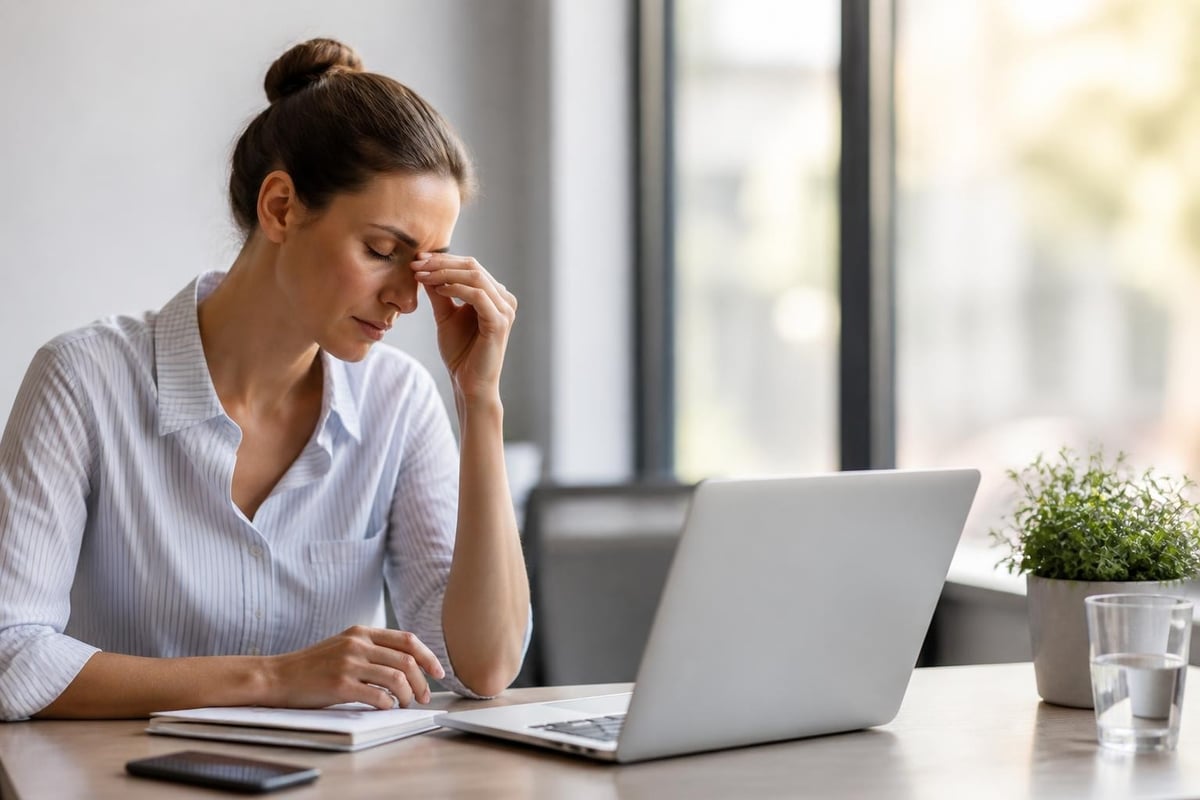
The transition from day to night deserves as much attention as your morning wake-up. Simple calming routines before bed signal to your body that it's time to shift into rest mode, improving both sleep quality and next-day energy levels.
Creating a consistent nighttime routine for better sleep involves establishing a series of relaxing activities that occur in the same order each night. Your brain recognizes these patterns as sleep cues.
Evening Routine Elements:
- Dim lights 60-90 minutes before bed to support melatonin production
- Avoid screens or use blue-light filters after 8 PM
- Practice gentle stretching or restorative yoga poses
- Write down tomorrow's top priorities to clear mental clutter
- Read fiction or listen to calming music
- Practice gratitude reflection or journaling
Building Your Personal Wind-Down Sequence
Not everyone needs the same evening routine. Some people benefit from active practices like gentle yoga, while others prefer passive activities like reading. The effectiveness of simple calming routines comes from personalization rather than following rigid templates.
Experiment with different combinations to discover what genuinely helps you feel relaxed. You might find that a warm bath with Epsom salts works wonders, or perhaps ten minutes of meditation provides the perfect transition to sleep.
| Wind-Down Activity | Best For | Time Needed |
|---|---|---|
| Gentle yoga | Physical tension release | 15-20 minutes |
| Reading fiction | Mental distraction from worries | 20-30 minutes |
| Journaling | Processing emotions and thoughts | 10-15 minutes |
| Guided meditation | Calming racing thoughts | 10-20 minutes |
| Herbal tea ritual | Creating routine anchors | 10 minutes |
Those struggling with racing mind at bedtime often benefit from brain-dump journaling, where you write everything on your mind without editing or organizing. This practice externally stores worries, freeing your mental space for rest.
Breathing Techniques as Foundation Practices
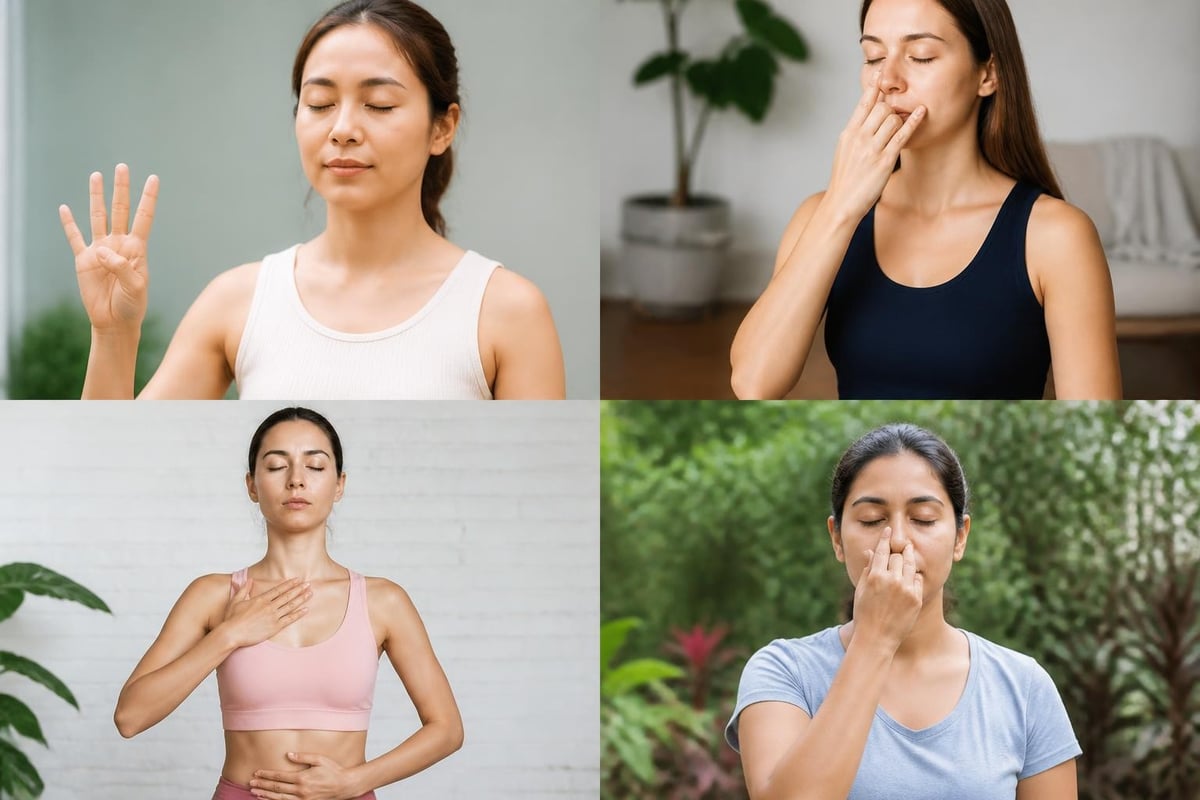
Among all simple calming routines, breathwork stands out as the most accessible and immediately effective. You carry your breath everywhere, requiring no equipment or special environment.
Core Breathing Techniques:
- Box Breathing: Equal counts for inhale, hold, exhale, hold (typically 4 counts each)
- 4-7-8 Breathing: Inhale for 4, hold for 7, exhale for 8
- Diaphragmatic Breathing: Deep belly breathing that fully engages the diaphragm
- Alternate Nostril Breathing: Balancing technique that calms the nervous system
Athena Community Health highlights mindfulness exercises to reduce anxiety that center on breath awareness. These practices work because conscious breathing directly influences your autonomic nervous system, providing a bridge between involuntary stress responses and intentional calm.
The beauty of breathwork in simple calming routines is its adaptability. You can practice while waiting in line, sitting in traffic, or lying in bed. No one needs to know you're actively managing your stress.
Movement-Based Calming Practices
Physical activity serves as a powerful stress release, but simple calming routines don't require intense workouts. Gentle, intentional movement provides both physical and mental benefits while remaining sustainable for all fitness levels.
Calming Yoga and Stretching
Restorative yoga focuses on supported poses held for several minutes, allowing deep relaxation of muscles and nervous system. Unlike vigorous yoga styles, these practices emphasize stillness and surrender rather than strength or flexibility.
Simple sequences might include:
- Child's pose with supported forehead
- Legs-up-the-wall pose
- Supine twist
- Supported bridge pose
- Savasana with weighted blanket
You can find visual guidance through resources like calming yoga routines that demonstrate gentle sequences specifically designed for relaxation rather than fitness.
Mindful Walking as Moving Meditation
Walking meditation transforms a common activity into a powerful calming practice. Instead of walking to arrive somewhere, you walk to experience the walking itself. Focus on the sensation of feet touching ground, the rhythm of steps, and the movement of air around your body.
Even five minutes of mindful walking can interrupt stress patterns and restore presence. This makes it ideal for simple calming routines during work breaks or before important meetings.
Creating Consistency Without Rigidity
The most effective simple calming routines balance structure with flexibility. While consistency helps establish neural pathways and habits, rigid adherence can create additional stress when life inevitably disrupts plans.
Principles for Sustainable Routines:
- Start with one routine time (morning, midday, or evening) before adding others
- Choose a minimum viable practice you can maintain even on difficult days
- Give yourself permission to modify based on daily needs and energy levels
- Focus on the quality of presence rather than duration or perfection
- Track practices simply (checkmark on calendar) to build momentum
Many people benefit from the resources available at My Calm Reset, which offers downloadable guides and practical routines designed to help you feel more balanced and grounded in everyday life.

Adapting Routines to Different Life Seasons
Your simple calming routines will naturally evolve as circumstances change. A routine that works perfectly during a quiet season might need adjustment during busy periods, illness, or life transitions. This adaptability prevents abandonment of practices altogether when perfection becomes impossible.
Consider creating three versions of your routine: ideal (when time and energy align), moderate (typical days), and minimal (bare essentials). This framework ensures you maintain some form of practice regardless of circumstances.
Common Obstacles and Solutions
Even with the best intentions, obstacles arise when establishing simple calming routines. Recognizing common challenges helps you prepare solutions in advance.
| Obstacle | Solution Strategy |
|---|---|
| Forgetting to practice | Set phone reminders, link to existing habits |
| Feeling too busy | Start with 2-3 minutes, practice during transitions |
| Inconsistent schedule | Focus on anchor times (morning wake/evening bed) |
| Judging yourself | Remember that noticing distraction IS the practice |
| Expecting immediate results | Commit to 30 days before evaluating effectiveness |
When working on calming techniques for anxiety, remember that building new habits takes time. Research suggests 66 days on average for a new behavior to become automatic, though this varies by individual and complexity of the practice.
Digital Boundaries Supporting Calm
Technology often interferes with simple calming routines through constant notifications and the pull of endless content. Establishing digital boundaries protects your calm moments from interruption.
Simple strategies include placing phones in another room during practice times, using app timers to limit social media, and creating device-free zones in your home. These boundaries support rather than restrict your routines.
Customizing Routines for Your Unique Needs
While general frameworks provide helpful starting points, the most powerful simple calming routines reflect your individual preferences, challenges, and lifestyle. What calms one person might agitate another.
Personalization Factors to Consider:
- Do you prefer active or passive calming activities?
- Are you naturally a morning or evening person?
- Do you respond better to guided practices or silent ones?
- What environments help you feel most relaxed?
- Which sensory inputs (sound, touch, scent) are most soothing?
Experiment systematically by trying one new element weekly while maintaining core practices. Notice what genuinely shifts your nervous system versus what you think should work based on others' recommendations.
Some people discover that their most effective simple calming routines involve creative activities like coloring, knitting, or playing music. Others find that nature exposure, whether through gardening or simply sitting outside, provides unmatched stress relief.
Integrating Routines with Existing Habits
The concept of habit stacking makes establishing simple calming routines significantly easier. By linking new practices to existing behaviors, you leverage established neural pathways rather than creating entirely new ones.
Habit Stacking Examples:
- After pouring morning coffee, practice three minutes of breathing
- Before starting your car, set a daily intention
- After lunch, take a five-minute mindful walk
- Before opening your laptop in the morning, do gentle stretches
- After brushing teeth at night, practice gratitude reflection
This approach reduces decision fatigue and creates automatic triggers for your calming practices. You can explore more structured approaches through resources like the 5-minute reset, which offers quick practices perfect for habit stacking.
Tracking Progress Without Pressure
Many people benefit from simple tracking methods that create accountability without judgment. A basic calendar checkmark for days you practiced, a one-word emotion journal, or a simple rating scale (1-10) for stress levels helps you notice patterns over time.
The goal isn't perfect adherence but rather increased awareness of how simple calming routines affect your well-being. This data informs adjustments and reinforces the value of continued practice.
Seasonal and Situational Adaptations
Your calming needs change with seasons, life events, and circumstances. Winter might call for cozy, inward-focused practices, while summer supports outdoor movement. High-stress periods benefit from increased frequency of simple calming routines, even if individual sessions shorten.
Seasonal Routine Variations:
- Spring: Morning walks in nature, window-opening rituals, planting activities
- Summer: Early morning or evening practices to avoid heat, outdoor meditation
- Fall: Gratitude journaling, warm beverage rituals, preparing cozy spaces
- Winter: Longer morning routines with light therapy, evening bath practices
Situational adaptations might include travel-friendly versions of your routines, modified practices for illness, or intensified support during difficult life transitions. This flexibility ensures your simple calming routines serve you rather than becoming another source of stress.
Understanding that rest is a skill helps frame these practices as learnable capabilities rather than inherent traits. Everyone can develop the ability to calm their nervous system with consistent, gentle practice.
Building simple calming routines transforms how you navigate daily life by creating predictable moments of peace within unpredictable circumstances. These practices don't require perfection or hours of dedication-just consistent presence and gentle commitment to your well-being. Whether you're looking for practical guidance, downloadable resources, or a supportive community focused on everyday calm, My Calm Reset provides the tools and inspiration you need to feel more balanced, grounded, and at peace in your daily life.
Get the free Mini Reset
A short sample of the 7-day guide — a gentle practice you can try today. Enter your email and the download link appears instantly.
Free. No spam. Unsubscribe anytime.
Want more calm in your life?
The Calm Reset guide is a 48-page digital book of rituals, prompts, and practices for a calmer life.
Get the Guide