Simple Mindfulness Practices for Everyday Life

Modern life moves quickly, leaving many of us feeling overwhelmed, distracted, and disconnected from the present moment. Simple mindfulness practices offer an accessible antidote to this constant rush, providing practical tools to cultivate awareness, reduce stress, and find moments of peace throughout your day. Unlike complex meditation systems that require extensive training, these straightforward techniques can be integrated seamlessly into your existing routine, making them sustainable for long-term well-being. Whether you have two minutes or twenty, mindfulness practices can help you reset, refocus, and reconnect with what truly matters.
Understanding Mindfulness in Daily Life
Mindfulness is the practice of paying attention to the present moment without judgment. Rather than dwelling on past regrets or future anxieties, you bring your full awareness to what is happening right now-your breath, bodily sensations, thoughts, or surroundings. This fundamental shift in attention creates space between you and your automatic reactions, allowing you to respond more thoughtfully to life's challenges.
The beauty of simple mindfulness practices lies in their accessibility. You do not need special equipment, dedicated meditation spaces, or hours of free time. These techniques work precisely because they meet you where you are, transforming ordinary activities into opportunities for presence and calm.
Research consistently demonstrates that regular mindfulness practice offers measurable benefits for both mental and physical health. Practitioners often report reduced anxiety, improved focus, better emotional regulation, and enhanced overall well-being. By establishing a foundation of awareness, you create resilience that supports you through both everyday stresses and significant life challenges.
Breath-Based Mindfulness Techniques
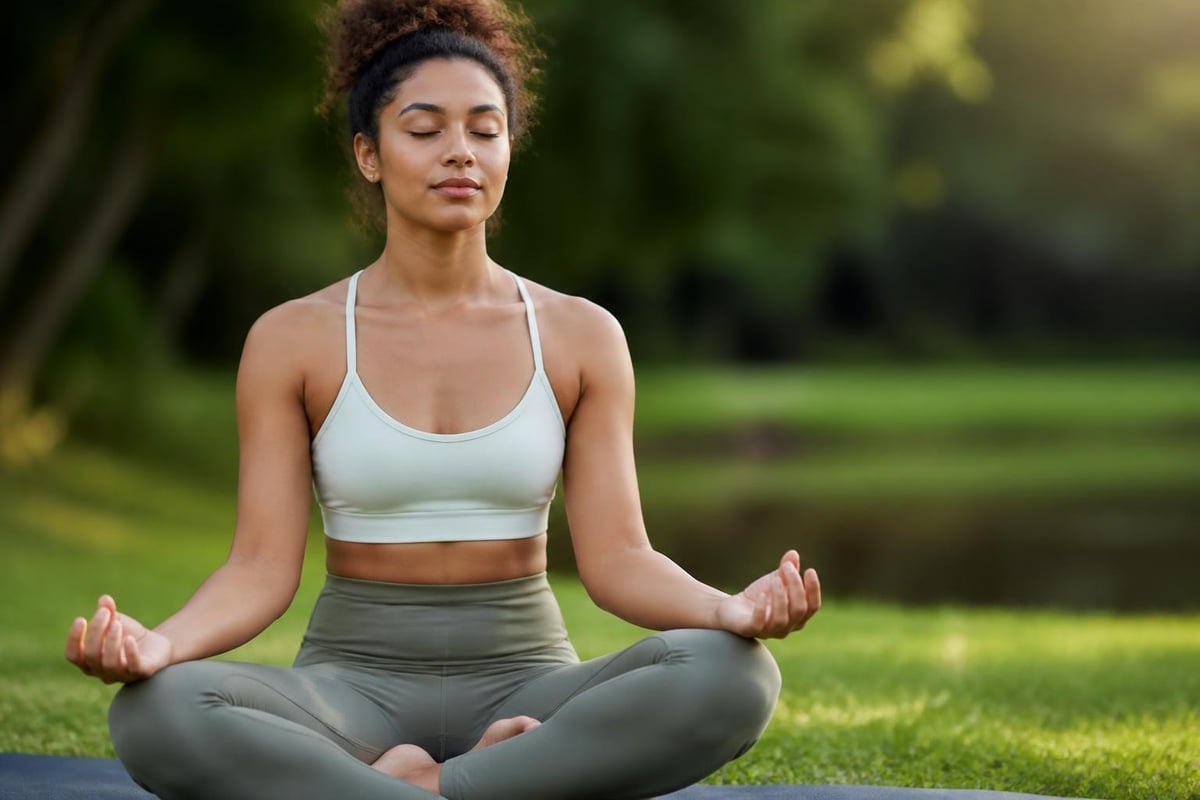
Your breath serves as an anchor to the present moment, always available regardless of circumstances. Mindful breathing represents one of the most fundamental and effective simple mindfulness practices you can learn.
Basic Breath Awareness
Begin by finding a comfortable position, whether seated or lying down. Close your eyes or maintain a soft downward gaze. Notice your natural breathing pattern without trying to change it. Observe the sensation of air entering your nostrils, filling your lungs, and leaving your body. When your mind wanders-and it will-gently guide your attention back to your breath without criticism.
This practice can last anywhere from one minute to twenty minutes. Even brief sessions create noticeable shifts in your nervous system, activating the relaxation response and reducing stress hormones.
Counted Breathing
For a more structured approach, try counting your breaths. Inhale for a count of four, hold for four, exhale for four, and pause for four before repeating. This rhythmic pattern, often called box breathing, provides your mind with a specific task that enhances focus while promoting physiological calm.
Many people find that breath-based techniques offer the perfect entry point into mindfulness because they require no prior experience. Your breath travels with you everywhere, making it an ideal tool for quick resets throughout your day. When you notice tension rising during a difficult conversation or feel overwhelmed by your to-do list, a few mindful breaths can restore equilibrium.
Sensory Awareness Practices
Engaging your senses deliberately pulls you out of mental narratives and into direct experience. These simple mindfulness practices harness the power of sensory input to ground you in the present.
The Five Senses Exercise
This technique proves particularly helpful during moments of anxiety or overwhelm. Pause and identify:
- Five things you can see (notice colors, shapes, textures)
- Four things you can touch (feel the temperature, weight, texture)
- Three things you can hear (distant sounds, nearby sounds, subtle sounds)
- Two things you can smell (even subtle scents count)
- One thing you can taste (or imagine a favorite flavor)
This systematic progression through your senses interrupts anxious thought patterns and creates immediate connection with your environment. The practice takes less than two minutes but provides powerful grounding.
Mindful Listening
Choose a piece of music, nature sounds, or simply tune into ambient noise around you. Listen with full attention, noticing individual instruments, rhythms, pauses, and tones. When thoughts arise about the music or anything else, acknowledge them and return to pure listening. This practice strengthens your capacity to observe without immediately judging or analyzing, a skill that transfers beautifully to other life areas.
Harborside Psychiatry emphasizes that paying attention to the present moment without judgment forms the cornerstone of effective mindfulness practice.
Movement-Based Mindfulness
Mindfulness does not require stillness. Movement practices offer another avenue for cultivating present-moment awareness, particularly beneficial for those who find seated meditation challenging.
Mindful Walking
Transform your daily walk into a meditation by bringing full attention to the physical sensations of walking. Notice how your foot lifts, moves through space, and makes contact with the ground. Feel the rhythm of your gait, the swing of your arms, the air against your skin. Walking at a slightly slower pace than usual helps maintain awareness. This practice works whether you have a five-minute stroll or a thirty-minute walk.
| Practice Type | Duration | Best For | Key Benefit |
|---|---|---|---|
| Breath Awareness | 1-20 minutes | Stress reduction | Immediate nervous system calming |
| Five Senses | 2-5 minutes | Anxiety interruption | Quick grounding |
| Mindful Walking | 5-30 minutes | Restless energy | Physical and mental integration |
| Body Scan | 10-30 minutes | Sleep preparation | Deep physical relaxation |
Mindful Stretching
Even simple stretches become powerful mindfulness exercises when performed with full awareness. As you stretch, notice the sensations in your muscles, the quality of your breath, and the gradual release of tension. Avoid pushing into pain; instead, explore your body's edges with curiosity and respect.
These movement-based simple mindfulness practices help integrate mind and body, addressing the artificial separation many of us experience between physical and mental well-being. For those exploring calming routines, incorporating mindful movement creates a holistic approach to wellness.
Daily Activity Mindfulness
Perhaps the most transformative application of mindfulness involves bringing awareness to routine activities you already perform every day. This approach eliminates the "I do not have time" barrier that prevents many people from developing a practice.
Mindful Eating
Rather than rushing through meals while scrolling your phone or watching television, dedicate at least one meal or snack daily to mindful eating. Notice the colors and textures on your plate. Smell your food before taking a bite. Chew slowly, experiencing the flavors fully. Pay attention to your body's hunger and fullness cues.
Mindful.org suggests that incorporating practices like mindful eating into daily routines enhances presence and awareness throughout your entire day.
Mindful Transitions
The moments between activities-finishing work and starting dinner, putting down your phone and speaking with a family member, arriving home after running errands-offer perfect opportunities for brief mindfulness resets. Pause for three conscious breaths during these transitions, acknowledging the shift from one activity to another. This micro-practice prevents the autopilot mode that causes days to blur together.
Technology Mindfulness
Given how much time most people spend with digital devices, bringing mindfulness to technology use creates significant impact. Before checking your phone, pause and take one conscious breath. Notice your intention. Are you seeking specific information, or are you reaching for your device from habit or anxiety? This small pause cultivates healthier digital boundaries and prevents mindless scrolling.

Body Scan for Deep Relaxation
The body scan represents a comprehensive simple mindfulness practice that systematically brings awareness to every part of your physical form. This technique proves particularly valuable for releasing accumulated tension and preparing for restful sleep.
Lie down in a comfortable position. Beginning with your toes, bring gentle attention to each body part, moving upward through your feet, ankles, calves, knees, thighs, hips, abdomen, chest, back, shoulders, arms, hands, neck, and head. Notice sensations without trying to change them-warmth, coolness, tingling, pressure, or no sensation at all.
When you discover areas of tension, breathe into them without forcing relaxation. Simply acknowledging tightness often allows natural release. The practice typically takes fifteen to thirty minutes, though shorter versions work well too.
Many people incorporate body scans into their evening routines to signal the transition toward sleep. Research on sleep meditation indicates that techniques like body scans can significantly improve sleep quality and reduce nighttime anxiety.
Mindful Self-Compassion Practices
Mindfulness extends beyond observing external sensations to include how you relate to your internal experience. Self-compassion practices represent essential simple mindfulness practices that cultivate kindness toward yourself.
Compassionate Self-Talk
Notice the tone of your internal dialogue, particularly during challenging moments. When you make a mistake or face difficulty, observe whether you speak to yourself with the same kindness you would offer a good friend. If not, consciously rephrase your self-talk using gentler, more supportive language.
Loving-Kindness Meditation
This practice involves silently repeating phrases that express goodwill toward yourself and others:
- May I be safe
- May I be healthy
- May I be at ease
- May I live with peace
After offering these wishes to yourself, extend them to loved ones, neutral people in your life, difficult people, and eventually all beings. This practice counteracts negativity bias and cultivates positive emotional states.
The self-compassion component of mindfulness often gets overlooked, yet it proves critical for sustainable practice. When you inevitably miss days, lose focus, or struggle with techniques, meeting yourself with kindness rather than judgment determines whether your practice continues or stalls.
Establishing Your Personal Practice
Building a sustainable mindfulness routine requires intention without rigidity. Start small rather than overwhelming yourself with ambitious goals that become burdens.
Start With Two Minutes
Choose one simple mindfulness practice that resonates with you and commit to just two minutes daily. This minimal commitment removes resistance while establishing the habit. Many people find that once they begin, they naturally extend the practice, but even when they do not, two minutes provides genuine benefit.
Anchor to Existing Habits
Link your mindfulness practice to something you already do consistently. Practice mindful breathing while your morning coffee brews, do a body scan when you first lie down at night, or take three conscious breaths before starting your car. This habit stacking approach, explained in detail through MBSR Training's daily routine framework, makes new practices easier to remember and maintain.
Track Without Judgment
| Week | Practice Type | Duration | Observations |
|---|---|---|---|
| 1 | Morning breathing | 2 minutes | Noticed racing thoughts |
| 2 | Morning breathing | 5 minutes | Felt calmer throughout day |
| 3 | Breathing + walking | 10 minutes total | Enjoyed variety |
| 4 | Breathing + body scan | 15 minutes total | Sleep improved |
Keeping a simple log helps you observe patterns without creating pressure. Note what you practiced, for how long, and any observations about your experience or state of mind. This record provides valuable information about which techniques serve you best.
The downloadable guides and resources at My Calm Reset can support your journey toward greater balance through structured yet flexible approaches to mindfulness and daily calm practices.

Working With Common Challenges
Even simple mindfulness practices present obstacles. Understanding common challenges helps you navigate them skillfully rather than abandoning your practice when difficulties arise.
The Wandering Mind
Many beginners become frustrated when their mind wanders constantly during practice. This is completely normal and does not indicate failure. The practice is not about achieving a blank mind but about noticing when your attention drifts and gently returning it. Each time you catch your mind wandering and bring it back, you strengthen your mindfulness muscle.
Physical Discomfort
If sitting still creates significant discomfort, adjust your position, try different postures, or choose movement-based practices instead. Mindfulness should challenge you mentally but not cause physical pain. Experiment until you find what works for your body.
Inconsistency
Missing days happens to everyone. Rather than interpreting inconsistency as failure, view your practice as a continual return. You can always begin again in this moment, regardless of how long it has been since your last practice. This perspective transforms mindfulness from a pass/fail endeavor into a lifelong journey.
TIME magazine's approach to nervous system reset highlights how even brief mindfulness techniques can quickly bring attention to the present and calm physiological stress responses, making consistency easier to maintain.
Deepening Your Practice Over Time
As simple mindfulness practices become more familiar, you may wish to explore variations and extensions that deepen your experience.
Lengthening Duration
Gradually increase your practice time as it feels comfortable. Moving from two minutes to five, then ten, then twenty allows organic growth without overwhelming yourself. There is no magic duration; what matters is regularity and quality of attention.
Exploring Different Techniques
After establishing comfort with one or two practices, experiment with others. You might discover that mindful eating resonates more than breath work, or that walking meditation feels more natural than seated practice. This exploration prevents boredom and helps you develop a varied toolkit for different situations and moods.
Joining a Community
While mindfulness is fundamentally a personal practice, connecting with others who share the journey provides support, accountability, and fresh perspectives. Many communities, both online and in-person, offer guided practices, discussions, and encouragement. Exploring resources through platforms like My Calm Reset's blog can connect you with a broader community focused on calm and mindfulness.
Formal Training
If simple mindfulness practices significantly improve your life, you might consider more structured training through programs like Mindfulness-Based Stress Reduction (MBSR) or working with qualified teachers. These options provide deeper instruction while building on the foundation you have already established through daily practice.
Integration Into Specific Life Situations
The true power of simple mindfulness practices emerges when you apply them to specific challenges and circumstances in your life.
Managing Anxiety
When anxiety arises, whether generalized worry or acute panic, mindfulness offers immediate tools. The five senses exercise grounds you quickly, breath work calms your nervous system, and compassionate self-talk prevents the secondary anxiety that comes from judging your anxious state. Those seeking anxiety relief tips will find that regular mindfulness practice builds resilience that reduces anxiety frequency and intensity over time.
Improving Focus
In an era of constant distraction, mindfulness training directly enhances concentration. By repeatedly bringing your wandering attention back to a chosen focus point during practice, you strengthen neural pathways associated with sustained attention. This skill transfers to work tasks, conversations, and any activity requiring focus.
Enhancing Relationships
Mindfulness improves relationships by helping you listen more fully, respond rather than react, and bring presence to interactions with others. When you practice mindful listening during conversations, people feel genuinely heard. When you pause before responding to criticism or conflict, you create space for wise responses instead of reactive patterns.
Supporting Physical Health
Beyond mental and emotional benefits, mindfulness practices positively impact physical health markers including blood pressure, immune function, inflammation, and pain management. The mind-body connection works bidirectionally; calming your mind calms your body, and this physiological shift supports overall health.
Simple Practices for Specific Times
Tailoring your mindfulness practice to different times of day maximizes its effectiveness and integration into your natural rhythms.
Morning practices set the tone for your day. Starting with mindful breathing, gentle stretching, or a gratitude practice creates a foundation of calm and intention. Healthline's collection of mindfulness activities includes gratitude lists and other morning-appropriate practices that help establish this positive trajectory.
Midday practices provide resets during busy days. A two-minute breathing break, mindful eating during lunch, or a short walking meditation helps prevent stress accumulation and maintains awareness throughout your day.
Evening practices facilitate the transition from activity to rest. Body scans, gentle stretching, or loving-kindness meditation signal to your mind and body that it is time to wind down, supporting better sleep quality.
As-needed practices serve as emergency tools during particularly challenging moments. When stress spikes, emotions overwhelm, or focus scatters, having quick techniques like the five senses exercise or counted breathing provides immediate support.
Mindfulness for Better Sleep
Sleep difficulties often stem from an overactive mind that cannot settle. Simple mindfulness practices address this root cause effectively. Beyond the body scan mentioned earlier, several techniques specifically support sleep.
Progressive muscle relaxation combines mindfulness with deliberate tension release. Systematically tense and relax muscle groups while maintaining awareness of the sensations involved. This practice both releases physical tension and occupies your mind, preventing the rumination that prevents sleep.
Breathing into sleep involves lying in bed and following your natural breath without trying to control it. If thoughts arise about the day or tomorrow's obligations, acknowledge them and return to your breath. This practice differs from daytime meditation because you welcome rather than resist drowsiness.
For those struggling with racing thoughts at bedtime, mindfulness provides an alternative to fighting your mental activity. By observing thoughts without engaging them, you often find they naturally settle, allowing sleep to arrive.
Simple mindfulness practices offer accessible, evidence-based tools for navigating modern life with greater ease and presence. By starting small, choosing techniques that resonate with you, and approaching your practice with consistency and self-compassion, you can cultivate meaningful shifts in how you experience each day. My Calm Reset provides calming blogs, practical routines, and downloadable guides designed to support your journey toward greater balance and peace. Begin where you are, use what you have, and discover how small moments of mindfulness create lasting transformation.
Get the free Mini Reset
A short sample of the 7-day guide — a gentle practice you can try today. Enter your email and the download link appears instantly.
Free. No spam. Unsubscribe anytime.
Want more calm in your life?
The Calm Reset guide is a 48-page digital book of rituals, prompts, and practices for a calmer life.
Get the Guide