Anxiety Relief Tips: Practical Strategies for Daily Calm
Anxiety has become an increasingly common experience in modern life, affecting millions of people who struggle to find peace amid daily pressures. Whether you're dealing with work stress, personal challenges, or general worry, having effective anxiety relief tips at your disposal can make a significant difference in your overall wellbeing. The good news is that managing anxiety doesn't always require drastic life changes. Instead, small, consistent practices can help you regain control and restore balance to your everyday routine.
Understanding the Foundation of Anxiety Management
Before diving into specific techniques, it's important to recognize that anxiety manifests differently for everyone. Some people experience physical symptoms like rapid heartbeat or muscle tension, while others face racing thoughts or emotional overwhelm. Understanding your unique anxiety patterns helps you select the most effective strategies for your situation.
The body's stress response evolved to protect us from immediate danger, but modern stressors often trigger this same response even when there's no physical threat. This creates a cycle where your mind and body remain in a heightened state of alert, leading to chronic anxiety. Breaking this cycle requires intentional practices that signal safety to your nervous system.
Research from the Cleveland Clinic emphasizes the importance of controlled breathing in managing anxious feelings, noting that simple breathing exercises can help calm anxiety quickly and effectively.
Breathing Techniques That Reset Your Nervous System
One of the most accessible anxiety relief tips involves harnessing the power of your breath. Breathing exercises work because they directly influence your autonomic nervous system, shifting you from the "fight or flight" response to a "rest and digest" state.
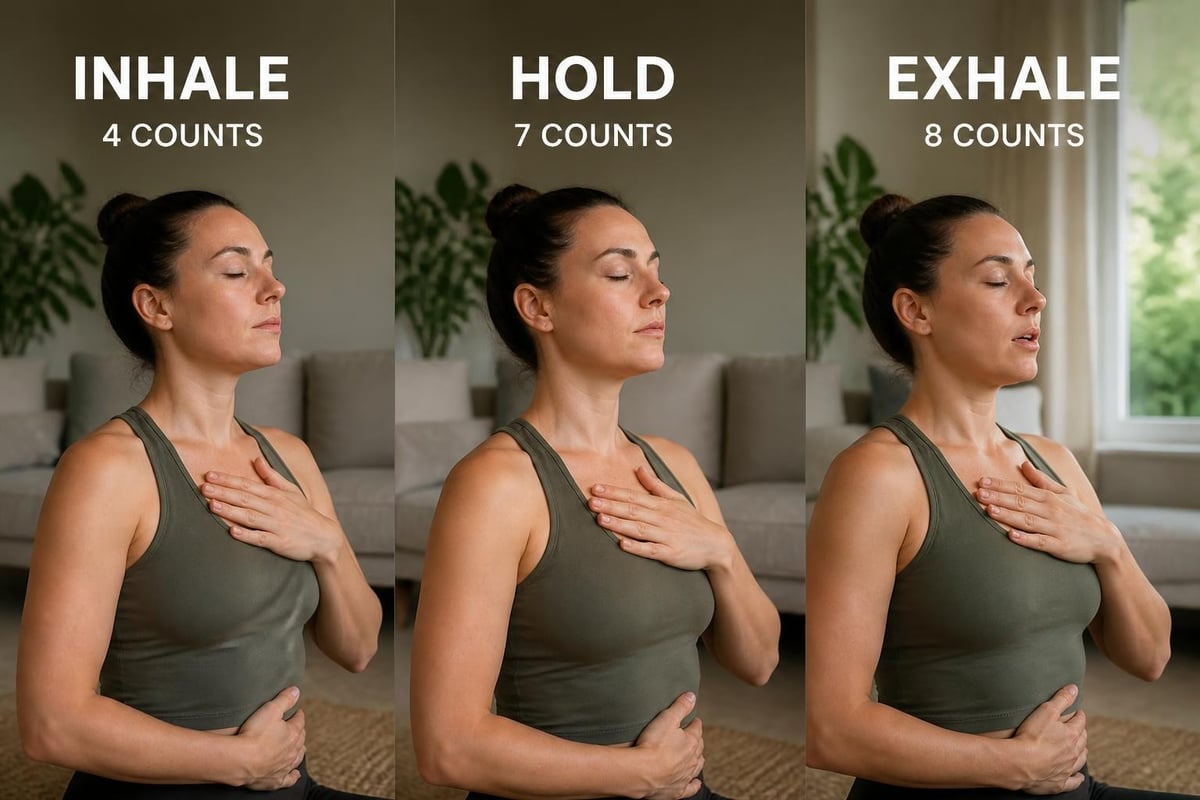
The 4-7-8 Breathing Method
This technique has gained widespread recognition for its calming effects:
- Exhale completely through your mouth
- Close your mouth and inhale quietly through your nose for a count of 4
- Hold your breath for a count of 7
- Exhale completely through your mouth for a count of 8
- Repeat the cycle three to four times
The extended exhale is particularly powerful because it activates the parasympathetic nervous system, which promotes relaxation and calm.
Box Breathing for Immediate Relief
Box breathing offers another structured approach that many find helpful during moments of acute anxiety. Visualize tracing a square as you breathe: inhale for four counts, hold for four counts, exhale for four counts, and hold again for four counts. This equal-sided pattern creates a rhythmic flow that helps interrupt anxious thought patterns.
Regular practice of focused breathing techniques can reduce both the frequency and intensity of anxiety episodes over time.
Physical Movement as an Anxiety Management Tool
Physical activity stands out among anxiety relief tips for its dual benefits to mental and physical health. Exercise releases endorphins, reduces stress hormones, and provides a healthy outlet for nervous energy.
You don't need an intense workout to experience these benefits. Consider these accessible options:
- Walking in nature for 20-30 minutes daily
- Gentle yoga focused on stretching and breath awareness
- Dancing to your favorite music in your living room
- Swimming for low-impact full-body movement
- Tai chi for mindful, flowing movements
| Activity Type | Time Needed | Primary Benefit |
|---|---|---|
| Brisk Walking | 20-30 min | Endorphin release, mental clarity |
| Yoga | 15-45 min | Flexibility, breath control, mindfulness |
| Swimming | 30-60 min | Full-body relaxation, meditative rhythm |
| Dancing | 10-20 min | Joy activation, stress release |
The key is consistency rather than intensity. Even ten minutes of movement can shift your mental state and provide relief from anxious thoughts.
Grounding Techniques for Present-Moment Awareness
When anxiety pulls your attention toward future worries or past regrets, grounding techniques bring you back to the present moment. These practices work by engaging your five senses and reconnecting you with your immediate environment.
The 5-4-3-2-1 Sensory Exercise
This popular grounding method helps interrupt anxiety spirals:
- Name 5 things you can see around you
- Identify 4 things you can touch
- Notice 3 things you can hear
- Recognize 2 things you can smell
- Acknowledge 1 thing you can taste
This exercise shifts your focus from internal anxiety to external reality, creating distance from overwhelming thoughts. Many people find this technique particularly helpful during panic attacks or moments of intense worry.
Another effective grounding practice involves focusing on physical sensations. Feel your feet on the floor, notice the weight of your body in your chair, or run cool water over your hands while paying close attention to the temperature and sensation.
Questioning and Reframing Anxious Thoughts
Your thoughts significantly influence your emotional state, making cognitive techniques essential anxiety relief tips. Anxiety often involves catastrophic thinking, where your mind jumps to worst-case scenarios that may never occur.
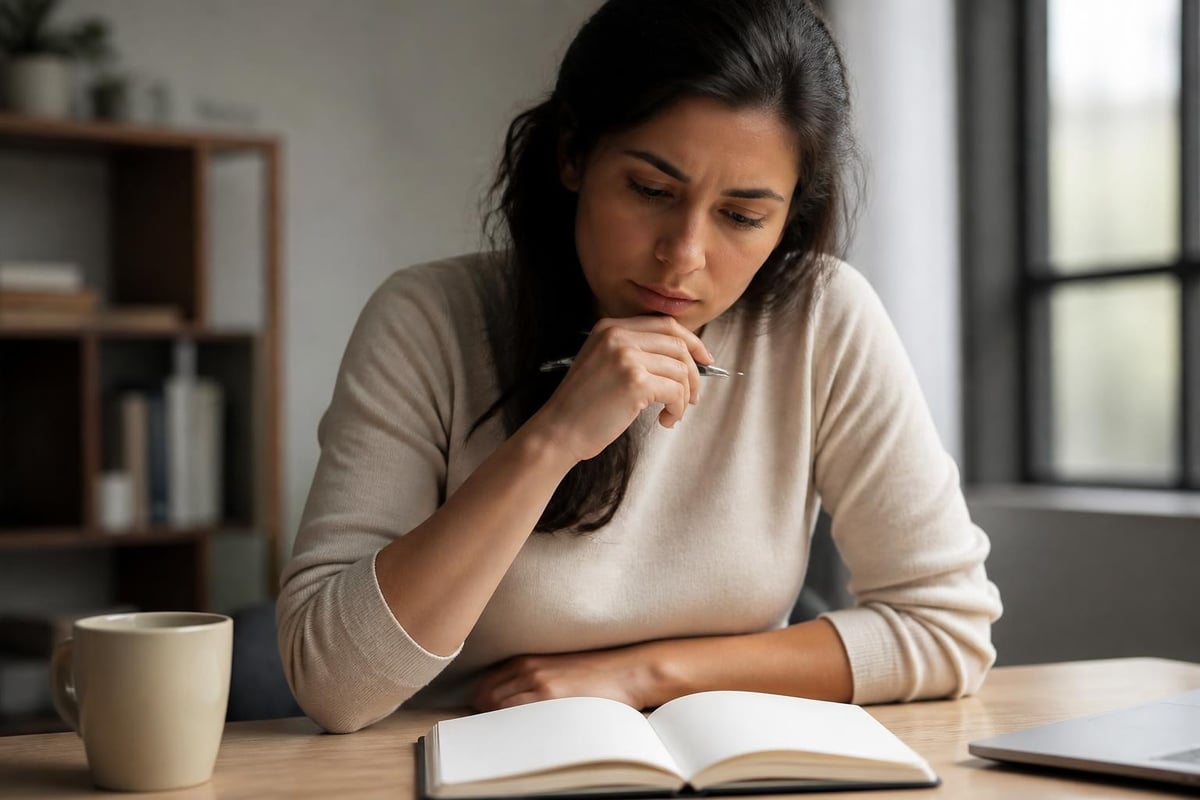
When you notice anxious thoughts arising, try this questioning approach:
- Is this thought based on facts or feelings? Anxiety often presents feelings as facts, creating false certainty about negative outcomes.
- What evidence supports or contradicts this thought? Look for objective information rather than emotional interpretations.
- What would I tell a friend in this situation? We often extend more compassion and rationality to others than ourselves.
- What's the most realistic outcome? Instead of the worst-case scenario, consider what's actually likely to happen.
This process doesn't eliminate anxiety immediately, but it creates space between you and your thoughts, reducing their power over your emotional state. At My Calm Reset, you'll find additional resources and guides to help you develop these cognitive skills through simple daily practices.

Creating a Calming Environment
Your physical environment plays a significant role in either supporting or undermining your mental state. Strategic changes to your surroundings can serve as powerful anxiety relief tips that work passively throughout your day.
Elements of a Calming Space
Consider incorporating these elements into your primary living areas:
- Reduced clutter to minimize visual stimulation and mental overwhelm
- Soft lighting instead of harsh overhead lights
- Comfortable textures like soft blankets or cushions
- Calming scents such as lavender, chamomile, or eucalyptus
- Nature elements including plants, natural wood, or stone
| Environmental Factor | Anxiety Impact | Simple Implementation |
|---|---|---|
| Lighting | Harsh light increases cortisol | Use lamps, dimmer switches, candles |
| Sound | Noise pollution raises stress | White noise machines, soft music |
| Temperature | Discomfort heightens anxiety | Keep rooms slightly cool (65-68°F) |
| Organization | Clutter creates mental chaos | Daily 10-minute tidying routine |
Creating designated calm zones in your home provides retreat spaces where you can practice other anxiety relief tips without distraction.
Nutrition and Hydration for Anxiety Management
What you consume throughout the day directly affects your anxiety levels. While food isn't a cure for anxiety disorders, certain dietary choices support a calmer nervous system while others may exacerbate anxious feelings.
Foods and drinks to emphasize:
- Complex carbohydrates like whole grains for steady blood sugar
- Omega-3 fatty acids from fish, walnuts, or flaxseed
- Magnesium-rich foods including leafy greens, nuts, and legumes
- Herbal teas like chamomile, passionflower, or lemon balm
- Adequate water throughout the day
Substances to limit or avoid:
- Caffeine, which can trigger anxiety symptoms
- Alcohol, despite its initial calming effect
- High-sugar foods that cause blood sugar crashes
- Processed foods with artificial additives
The Healthline guide to stress and anxiety relief emphasizes maintaining a balanced diet as a foundational strategy for supporting overall mental health.
Establishing Supportive Daily Routines
Consistency creates a sense of safety and predictability that helps manage anxiety. Building structured routines around key parts of your day provides anchors that ground you, even when life feels chaotic.
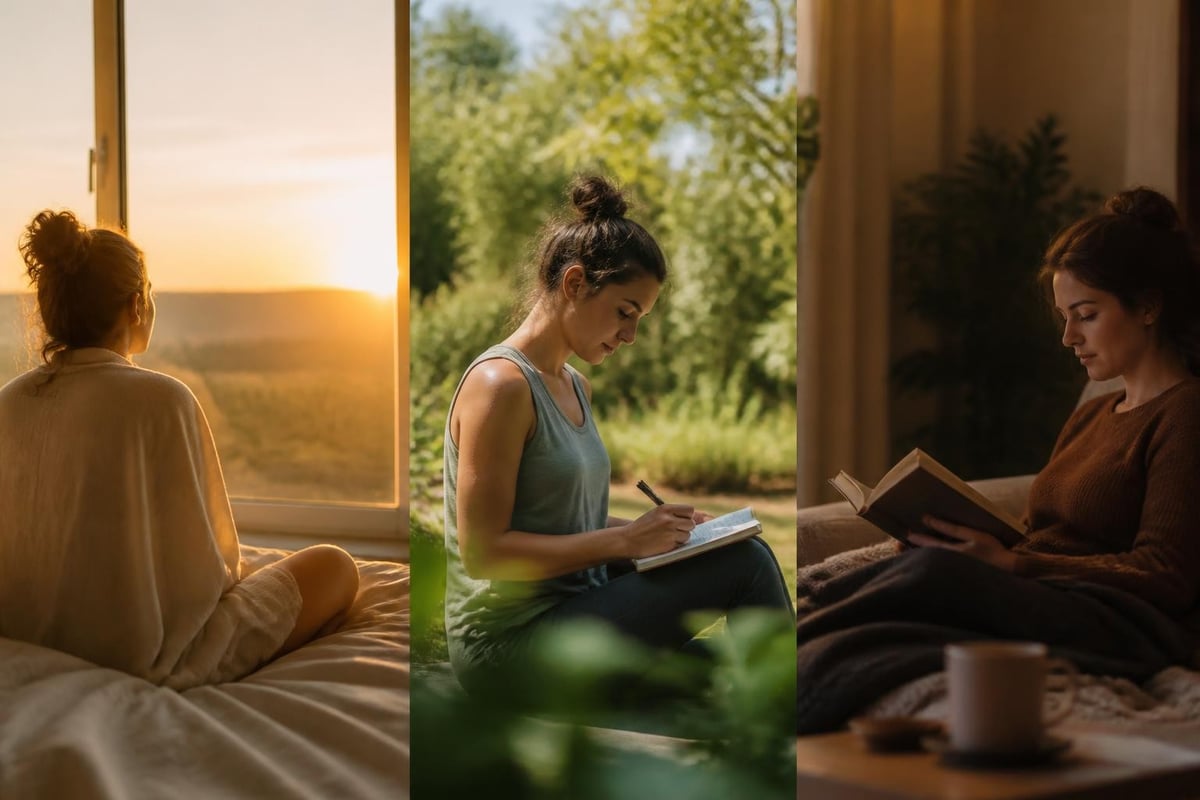
Morning Routine for Grounded Starts
Beginning your day intentionally sets the tone for how you'll handle stress:
- Wake at a consistent time, even on weekends
- Avoid checking your phone immediately upon waking
- Practice 5-10 minutes of breathing or meditation
- Eat a balanced breakfast
- Set one to three realistic intentions for the day
Evening Routine for Restful Sleep
Quality sleep significantly impacts anxiety levels, making bedtime routines crucial:
- Begin winding down 60-90 minutes before bed
- Reduce screen exposure and blue light
- Practice gentle stretching or progressive muscle relaxation
- Write down tomorrow's priorities to clear your mind
- Keep your bedroom cool, dark, and quiet
These routines don't need to be lengthy or complicated. Even 10-15 minutes of intentional practice morning and evening can significantly impact your anxiety levels over time.
Social Connection and Support Systems
Humans are inherently social beings, and isolation often intensifies anxiety. Building and maintaining supportive relationships provides both practical help and emotional comfort during difficult times.
Strategies for meaningful connection include:
- Scheduling regular check-ins with trusted friends or family members
- Joining groups centered around shared interests or hobbies
- Volunteering for causes that matter to you
- Seeking professional support through therapy or counseling
- Participating in online communities with similar experiences
It's important to note that quality matters more than quantity when it comes to social connections. A few genuine, supportive relationships provide more anxiety relief than numerous superficial interactions.
When anxiety feels overwhelming or persistent, professional help becomes essential. The comprehensive treatment options for anxiety include various therapeutic approaches, medications when appropriate, and self-help exercises that complement professional care.
Limiting Information Overload and Digital Consumption
In 2026, constant connectivity and information streams contribute significantly to collective anxiety levels. Managing your digital consumption represents one of the most impactful modern anxiety relief tips available.
Practical Digital Boundaries
- Set specific times for checking email and social media rather than constant monitoring
- Use app timers to limit daily usage of anxiety-triggering platforms
- Curate your feeds to remove accounts that increase stress or comparison
- Create phone-free zones in your home, especially bedrooms
- Implement news consumption limits to stay informed without becoming overwhelmed
The strategies to calm down when feeling anxious or angry include stepping away from triggering stimuli, which often means disconnecting from digital devices during acute anxiety episodes.
Progressive Muscle Relaxation for Physical Tension
Anxiety creates physical tension that, in turn, reinforces anxious thoughts and feelings. Progressive muscle relaxation (PMR) breaks this cycle by systematically releasing tension throughout your body.
The basic PMR sequence:
- Find a comfortable seated or lying position
- Starting with your toes, tense the muscles for 5 seconds
- Release the tension completely and notice the difference
- Move systematically upward through your body
- Include feet, calves, thighs, abdomen, hands, arms, shoulders, neck, and face
- End with full-body awareness of relaxation
This practice takes 10-15 minutes and can be done before bed, during lunch breaks, or whenever you notice physical tension accumulating. Regular practice trains your body to recognize and release tension more quickly over time.
Developing a Personal Anxiety Relief Toolkit
No single strategy works for everyone or in every situation. The most effective approach involves building a personalized collection of anxiety relief tips that you can draw from depending on your circumstances and needs.
| Situation | Quick Relief Options | Longer-Term Practices |
|---|---|---|
| Acute panic | 4-7-8 breathing, cold water on face, 5-4-3-2-1 grounding | Regular therapy, medication if needed |
| Chronic worry | Thought questioning, journaling | Meditation practice, routine establishment |
| Physical tension | Progressive muscle relaxation, stretching | Regular exercise, yoga |
| Sleep difficulties | Evening routine, breathing exercises | Sleep hygiene, reduced caffeine |
Experiment with different techniques to discover what resonates with you. Keep a simple log of what you try and how effective you find each practice. Over time, you'll develop intuition about which tools to reach for in different situations.
Managing anxiety is a journey rather than a destination, requiring patience, self-compassion, and consistent practice with proven strategies. The anxiety relief tips outlined here offer multiple pathways toward greater calm and balance in your daily life. Whether you start with breathing exercises, physical movement, thought questioning, or environmental changes, each small step contributes to meaningful improvement over time. My Calm Reset offers ongoing support through calming blogs, simple routines, and downloadable guides designed to help you feel more balanced, grounded, and at peace in everyday life.
Get the free Mini Reset
A short sample of the 7-day guide — a gentle practice you can try today. Enter your email and the download link appears instantly.
Free. No spam. Unsubscribe anytime.
Want more calm in your life?
The Calm Reset guide is a 48-page digital book of rituals, prompts, and practices for a calmer life.
Get the Guide