Peaceful Living Tips: Build a Calmer Life in 2026
Modern life often feels like a relentless stream of notifications, obligations, and pressures that leave little room for stillness. Yet the need for peace has never been more urgent. Finding ways to cultivate calm in the midst of chaos isn't just about temporary relief-it's about reshaping how you live, breathe, and move through each day. The peaceful living tips shared here offer practical pathways to create more balance, reduce stress, and build sustainable tranquility that extends beyond fleeting moments of quiet.
Creating Physical Spaces That Support Serenity
Your environment profoundly influences your mental state. A cluttered, chaotic space breeds anxiety, while thoughtfully designed surroundings can anchor you in calm.
Start by evaluating the rooms where you spend the most time. What sensory experiences do they create? Harvard experts provide detailed guidance on optimizing home environments for health and wellbeing, emphasizing factors like air quality, natural light, and noise control.
Decluttering as a Mental Health Practice
Physical clutter directly impacts cognitive load. When your space is disorganized, your mind works overtime processing visual information.
- Remove items you haven't used in six months from high-traffic areas
- Create designated homes for everyday objects to eliminate decision fatigue
- Implement a "one in, one out" rule for new purchases
- Clear surfaces daily to maintain visual calm
The act of decluttering itself can be meditative. Rather than rushing through it, approach organizing as an opportunity to be present with your belongings and make intentional choices about what deserves space in your life.
Designing for Calm
Beyond removing excess, actively design spaces that invite peace. Incorporate elements that engage your senses in soothing ways.
| Element | Purpose | Implementation |
|---|---|---|
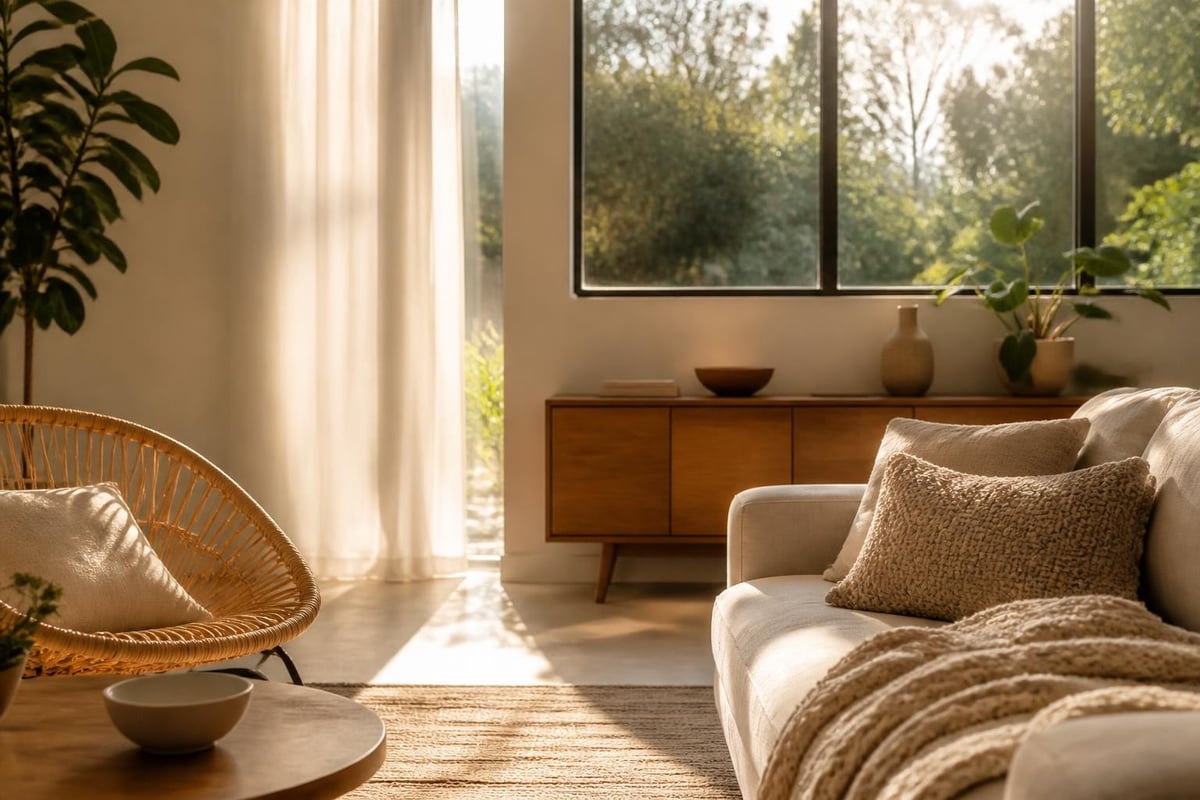
| Natural light | Regulates circadian rhythm, boosts mood | Position seating near windows, use sheer curtains |
| Plants | Improve air quality, connect to nature | Start with low-maintenance varieties like pothos |
| Soft textures | Create tactile comfort | Layer blankets, cushions, area rugs |
| Neutral colors | Reduce visual stimulation | Use calming blues, greens, or warm neutrals |
Consider creating a dedicated calm corner-a small area reserved exclusively for rest, reading, or meditation. This physical boundary helps your mind associate that space with tranquility.
Establishing Daily Rhythms That Ground You
Peaceful living tips often emphasize routines because predictability reduces mental load and creates structure that supports wellbeing. Simple calming routines don't need to be elaborate-they just need to be consistent.
Morning Practices That Set Your Tone
How you begin your day influences everything that follows. A rushed, reactive morning creates a stressed baseline that's difficult to overcome.
Wake fifteen minutes earlier than necessary. This buffer eliminates the frantic energy of running late and gives you space to start intentionally. During those minutes, avoid screens. Instead, try:
- Mindful breathing (five deep breaths before leaving bed)
- Gentle stretching to release physical tension
- Gratitude reflection (mentally note three specific things)
- Hydration (a full glass of water before coffee)
- Setting an intention for the day ahead
Research demonstrates that brief self-administered mindfulness exercises can meaningfully reduce stress when practiced regularly. The key is consistency rather than duration.
Evening Transitions That Promote Rest
Peaceful evenings don't happen accidentally. They require deliberate unwinding from the day's demands. Create a shutdown ritual that signals to your body and mind that the active day is complete.
Digital sunset: Set a time (ideally 90 minutes before bed) when screens go off. Digital boundaries protect your nervous system from the stimulation of blue light and emotionally charged content.
Physical release: Whether through gentle yoga, a warm bath, or simple stretching, give your body permission to discharge accumulated tension.
Preparation for tomorrow: Lay out clothes, pack your bag, and write a short to-do list. This externalizes mental planning so it doesn't circulate in your mind all night.
Managing Mental and Emotional Energy
Peaceful living tips extend beyond external practices to how you relate to your inner experience. The WHO recognizes that stress management requires both addressing external stressors and building internal resilience through healthy coping mechanisms.
Practicing Boundaries Without Guilt
Many people struggle with peace because they're chronically overextended. Saying yes to everything means saying no to your own wellbeing.
- Audit your commitments quarterly and eliminate obligations that drain without fulfilling
- Practice the 24-hour rule before agreeing to new requests
- Use "I'm not available" rather than elaborate excuses when declining
- Recognize that boundaries protect your capacity to show up fully for what matters
Boundaries aren't selfish-they're essential infrastructure for sustainable peace. Without them, you operate in constant deficit.
Reframing Your Relationship With Thoughts
Your mind generates thousands of thoughts daily, many of them repetitive worries or harsh self-judgments. You can't control what thoughts arise, but you can change how you relate to them.
Notice when you're mentally time-traveling into future anxieties or past regrets. Gently redirect attention to present sensory experience-what you see, hear, feel, smell right now. This mindful approach to living benefits both personal wellness and creates more conscious engagement with your surroundings.
When a thought creates distress, try observing it rather than believing it: "I'm noticing the thought that I'm not good enough" creates distance from "I'm not good enough." This subtle shift reduces the thought's power over your emotional state.

Building Restorative Social Connections
Humans are fundamentally social beings, and the quality of your relationships significantly impacts your sense of peace. Isolation breeds anxiety, while genuine connection provides emotional regulation and support.
Cultivating Depth Over Breadth
Social media promotes collecting connections, but peaceful living tips emphasize nurturing meaningful relationships. A few deep friendships provide more peace than hundreds of surface-level contacts.
Prioritize time with people who:
- Leave you feeling energized rather than depleted
- Accept you without requiring performance or pretense
- Share your values around wellbeing and personal growth
- Respect your boundaries and communicate directly
Schedule regular, protected time with these people. Make it non-negotiable, the same way you would a medical appointment.
Reducing Conflict Through Communication
Much interpersonal stress stems from poor communication patterns. Learning to express needs clearly and listen without defensiveness dramatically reduces relationship friction.
| Communication Practice | Traditional Approach | Peaceful Approach |
|---|---|---|
| Expressing frustration | "You always..." | "I feel...when..." |
| Disagreeing | Proving someone wrong | Understanding their perspective first |
| Setting boundaries | Apologizing or explaining | Clear, simple statements |
| Receiving feedback | Defending immediately | Pausing to consider |
Research on improving intergroup relations shows that reducing prejudice and conflict requires specific interventions-many of which apply to personal relationships as well, including perspective-taking and finding common ground.
Integrating Mindfulness Into Ordinary Moments
Mindfulness doesn't require hours of meditation or special retreats. The most sustainable peaceful living tips involve weaving awareness into activities you're already doing. For those looking to build these practices systematically, My Calm Reset offers downloadable guides and simple routines designed to help you feel more balanced and grounded in everyday life.
Mindful Transitions
The spaces between activities-walking to your car, waiting for coffee to brew, standing in line-are opportunities for presence rather than autopilot.
During these micro-moments, drop into body awareness. Feel your feet on the ground. Notice the quality of your breath. Observe your surroundings without narrating them. These tiny practices accumulate into significant shifts in baseline calm.
Single-Tasking as a Radical Act
Multitasking fragments attention and increases stress. Choosing to do one thing at a time, fully engaged, is countercultural and profoundly calming.
When eating, just eat. When talking to someone, just listen. When working on a task, close other tabs and silence notifications. A structured mindfulness-based program reduced perceived stress among university students over eight weeks-but you don't need a formal program to benefit from single-pointed attention.
Developing Physical Practices That Calm Your Nervous System
Your body and mind aren't separate systems. Physical tension creates mental anxiety, and mental stress manifests as physical tightness. Peaceful living tips must address both.
Movement as Medicine
Exercise isn't just for physical health-it's one of the most effective stress management tools available. Movement metabolizes stress hormones and releases endorphins that naturally elevate mood.
You don't need intense workouts. Gentle, consistent movement serves peace better than sporadic intensity:
- Walking in nature combines movement with natural environment exposure
- Gentle yoga emphasizes breath coordination and body awareness
- Swimming provides rhythmic motion and sensory soothing
- Dancing adds joy and creative expression to physical activity
- Gardening connects you to earth while engaging your body
The best movement is whatever you'll actually do regularly. Choose based on what feels nourishing rather than punishing.
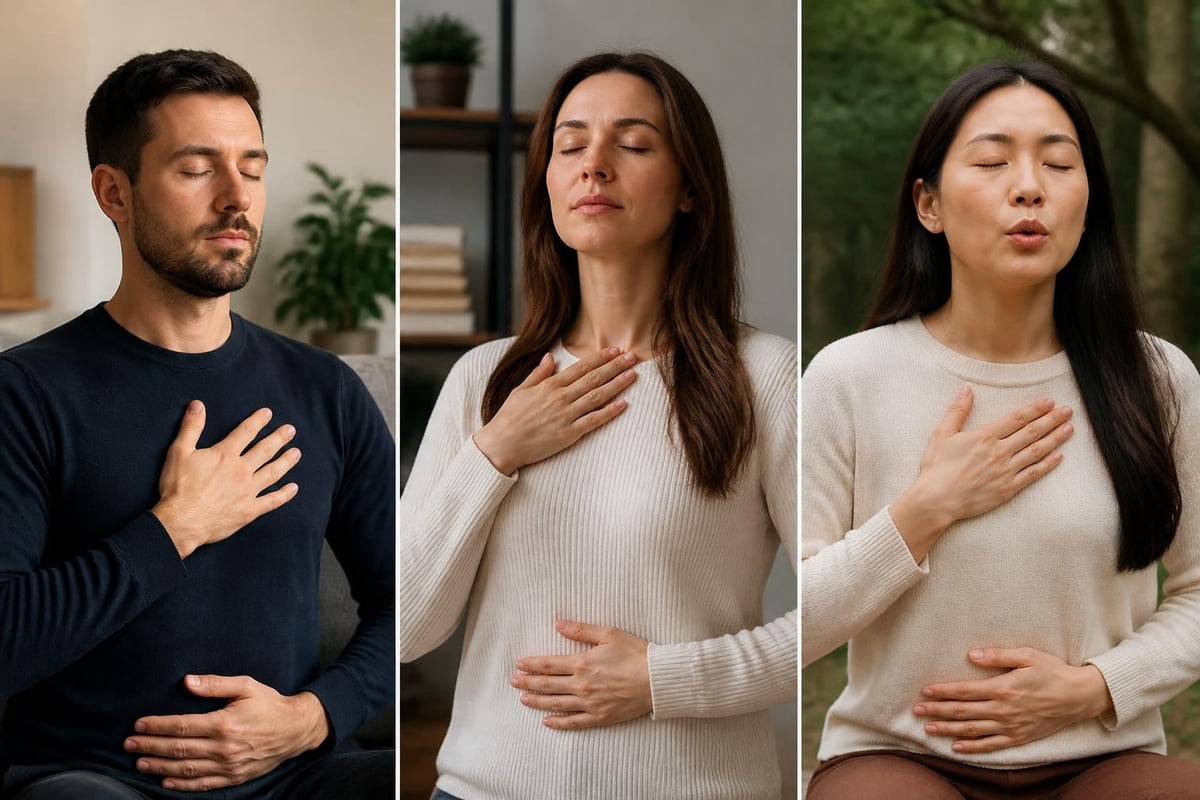
Breath as Your Portable Reset Tool
You always have access to your breath, making it the ultimate portable peace practice. Exploring various calming techniques reveals that breath work stands out for its immediate accessibility and effectiveness.
Box breathing: Inhale for four counts, hold for four, exhale for four, hold for four. Repeat for two minutes.
Extended exhale: Make your exhale longer than your inhale (example: inhale for three, exhale for six). This activates your parasympathetic nervous system.
Physiological sigh: Two quick inhales through the nose, one long exhale through the mouth. This rapidly reduces stress.
Curating Information and Media Consumption
What you consume mentally shapes your internal landscape just as what you eat affects your physical body. Peaceful living tips must include being selective about information intake.
Establishing News Boundaries
Staying informed doesn't require constant exposure to distressing headlines. Designate specific times for news consumption rather than grazing throughout the day. Choose one or two trusted sources instead of consuming multiple overlapping versions of the same stories.
Ask yourself: Does this information empower me to take meaningful action, or does it simply generate helpless anxiety? If it's the latter, consuming more doesn't serve you or the world.
Protecting Your Attention
Your attention is your most valuable resource. Guard it carefully.
- Unsubscribe from email lists that don't serve your current priorities
- Unfollow social media accounts that trigger comparison or negativity
- Turn off non-essential notifications so you control when you engage
- Batch-check email and messages during designated times rather than constantly
Create friction between impulse and consumption. Remove social media apps from your phone. Use website blockers during work hours. Make peace the path of least resistance.
Nourishing Yourself With Intention
How you fuel your body affects your mental state. Blood sugar crashes create irritability and anxiety. Dehydration impairs cognitive function. Peaceful living tips recognize that nutrition and rest are foundational.
Eating for Stable Energy
Rather than restrictive diets, focus on eating in ways that support stable mood and energy:
- Regular meals prevent blood sugar swings that destabilize mood
- Protein and fiber at each meal create sustained energy release
- Limiting caffeine and sugar reduces the crash cycle
- Staying hydrated supports cognitive function and emotional regulation
Notice how different foods affect your energy and mood. Your body provides feedback-learn to listen to it. For comprehensive guidance on daily self-care tips that support overall wellbeing, consider building multiple supportive habits simultaneously.
Prioritizing Restorative Sleep
Sleep isn't negotiable for peace. Chronic sleep deprivation creates a stressed baseline that no other practices can fully overcome.
Protect your sleep by:
- Maintaining consistent sleep and wake times, even on weekends
- Creating complete darkness in your bedroom (blackout curtains, covering electronic lights)
- Keeping your bedroom cool (around 65-68°F is optimal)
- Using white noise to mask disruptive sounds
- Avoiding large meals and alcohol close to bedtime
If racing thoughts keep you awake, keep a notepad by your bed. Write down what's circling in your mind, then set it aside knowing you've captured it for tomorrow. Learn more about managing a racing mind through specific evening practices.
Finding Meaning Beyond Productivity
One of the most important peaceful living tips is recognizing that your worth isn't determined by your output. The relentless emphasis on productivity creates perpetual inadequacy.
Embracing Rest as Productive
Rest is a skill that most people never develop because culture treats it as laziness. Genuine rest-doing nothing with purpose-allows your nervous system to reset and your creativity to emerge.
Schedule rest the same way you schedule work. Defend it with the same rigor. Notice guilt when it arises around resting and question where that message originated. Did you choose this belief, or was it imposed by external expectations?
Engaging in Activities for Their Own Sake
Hobbies without monetization or optimization bring joy simply through engagement. Reading for pleasure, not self-improvement. Creating art with no intention to sell or display it. Playing music badly. Cooking elaborate meals just because the process is enjoyable.
These activities remind you that life includes experiences beyond achievement. They reconnect you with intrinsic motivation and flow states that dissolve anxiety.
Practicing Gratitude and Perspective
Your brain has a negativity bias designed to keep you alert to threats. Consciously directing attention toward what's working counterbalances this tendency and builds resilience.
Daily gratitude practice: Each evening, write three specific things you're grateful for. Avoid generic entries ("my family"). Instead, note particular moments ("the way my partner made coffee without me asking" or "sunlight through the kitchen window at 3 PM").
Perspective-taking: When stress feels overwhelming, ask yourself: Will this matter in five years? If not, can you release some of the urgency? This isn't minimizing genuine concerns-it's recognizing when you're investing disproportionate energy in temporary situations.
Research on peace interventions in post-conflict settings demonstrates that structured approaches to building peace improve mental health outcomes. While this research focuses on community-level interventions, the principles-creating safety, fostering connection, developing coping skills-apply to individual peaceful living as well.
Building a peaceful life isn't about achieving perfect calm-it's about developing practices that help you return to center when life inevitably becomes chaotic. The peaceful living tips outlined here provide a foundation, but the real work is personalizing them to fit your unique circumstances and committing to consistency over perfection. If you're looking for additional support on this journey, My Calm Reset offers calming blogs, simple routines, and downloadable guides designed to help you feel more balanced, grounded, and at peace in everyday life.
Get the free Mini Reset
A short sample of the 7-day guide — a gentle practice you can try today. Enter your email and the download link appears instantly.
Free. No spam. Unsubscribe anytime.
Want more calm in your life?
The Calm Reset guide is a 48-page digital book of rituals, prompts, and practices for a calmer life.
Get the Guide