Menopause Wellness: Your Guide to Balanced Living
Navigating the menopause transition requires a thoughtful, comprehensive approach that honors both the physical changes and emotional shifts occurring in your body. Menopause wellness encompasses far more than managing hot flashes or night sweats-it represents an opportunity to build sustainable health practices that support you through this natural life stage and beyond. By understanding the science behind menopause and implementing evidence-based lifestyle strategies, you can create a foundation for balanced, peaceful living during this transformative period.
Understanding the Menopause Transition
The World Health Organization defines menopause as the permanent cessation of menstruation, typically occurring between ages 45 and 55. However, the perimenopause phase-when symptoms first appear-can begin several years earlier, bringing changes that affect every aspect of daily life.
Recognizing the Signs and Symptoms
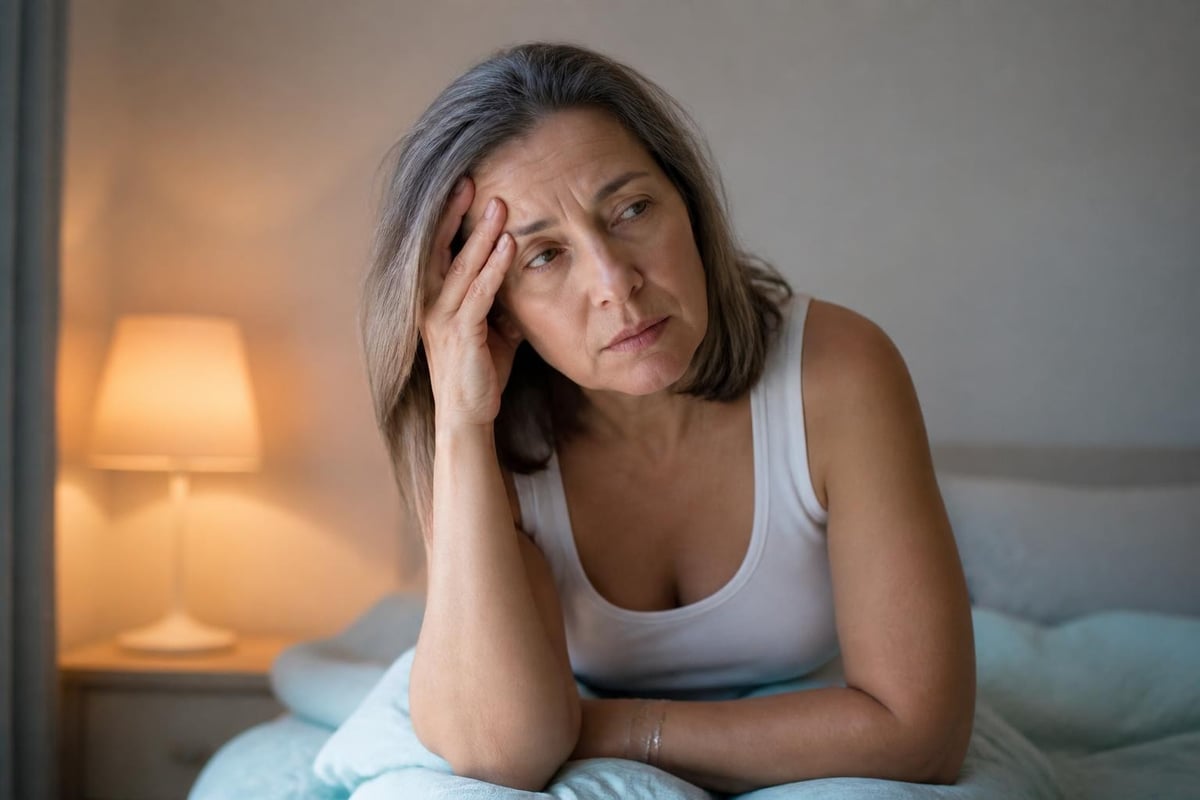
Menopause wellness begins with understanding what your body is experiencing. The hormonal fluctuations during this transition create a wide range of symptoms that vary significantly among individuals.
Common physical symptoms include:
- Hot flashes and night sweats
- Sleep disturbances and insomnia
- Joint pain and muscle tension
- Changes in metabolism and weight distribution
- Vaginal dryness and discomfort
Emotional and cognitive changes may involve:
- Mood fluctuations and irritability
- Anxiety or feelings of overwhelm
- Memory concerns and brain fog
- Reduced stress tolerance
These experiences are not signs of weakness or failure. They represent your body's natural response to hormonal shifts, and acknowledging them without judgment is an essential first step toward effective menopause wellness.
Building Your Menopause Wellness Foundation
Creating a personalized menopause wellness plan requires attention to multiple lifestyle factors that work synergistically to support your overall health. The NICE guidelines on menopause management emphasize the importance of lifestyle interventions alongside medical treatments.
Nutrition for Hormonal Balance
What you eat directly influences symptom severity and overall wellbeing during menopause. A recent review of lifestyle medicine approaches highlights nutrition as a cornerstone of managing vasomotor symptoms and supporting metabolic health.
| Nutrient Focus | Food Sources | Wellness Benefits |
|---|---|---|
| Phytoestrogens | Flax seeds, soy, legumes | May reduce hot flash frequency |
| Calcium & Vitamin D | Dairy, leafy greens, fortified foods | Bone health protection |
| Omega-3 fatty acids | Fatty fish, walnuts, chia seeds | Anti-inflammatory, mood support |
| Fiber | Whole grains, vegetables, fruits | Metabolic health, weight management |
| Magnesium | Nuts, seeds, dark chocolate | Sleep quality, muscle relaxation |
Reducing processed foods, excessive caffeine, and alcohol can also minimize symptom triggers. Many women find that keeping a food journal helps identify personal trigger foods that exacerbate hot flashes or sleep disruption.
Movement and Physical Activity
Regular physical activity serves as one of the most powerful tools for menopause wellness, addressing multiple symptom categories simultaneously. Research demonstrates that lifestyle interventions including exercise significantly improve perimenopausal symptoms and overall quality of life.
Recommended weekly activity includes:
- 150 minutes of moderate aerobic exercise (brisk walking, swimming, cycling)
- Strength training twice weekly to preserve muscle mass and bone density
- Flexibility work such as yoga or stretching to maintain mobility
- Balance exercises to prevent falls and maintain coordination
Movement doesn't need to be intense to be effective. Incorporating simple calming routines that include gentle stretching or walking can reduce stress while supporting physical health.
Sleep Optimization During Menopause
Sleep disturbances rank among the most challenging aspects of the menopause transition, affecting up to 60% of women. Poor sleep creates a cascade effect, worsening mood, cognitive function, and stress resilience. A systematic review of behavioral interventions demonstrates that cognitive-behavioral strategies effectively improve sleep outcomes in menopausal women.
Creating Your Sleep Sanctuary
Your bedroom environment significantly influences sleep quality during menopause. Consider these evidence-based adjustments:
- Temperature control: Keep your bedroom cool (65-68°F) to counteract night sweats
- Breathable bedding: Choose moisture-wicking, natural fabrics
- Light management: Use blackout curtains and remove electronic devices
- Sound environment: Consider white noise machines if environmental noise disrupts sleep
Developing an evening wind-down routine signals your body that sleep is approaching. This might include dimming lights an hour before bed, practicing gentle stretches, or engaging in quiet reading.
Behavioral Strategies for Better Rest
Sleep hygiene practices for menopause wellness:
- Maintain consistent sleep and wake times, even on weekends
- Avoid caffeine after 2 PM
- Limit screen time in the evening hours
- Practice relaxation techniques before bed
- Keep a cool cloth or fan bedside for hot flash management
If anxiety or a racing mind interferes with sleep, consider keeping a journal by your bedside to capture worrying thoughts, releasing them from your mind before attempting sleep.

Stress Management and Emotional Wellness
The menopause transition often coincides with other significant life changes-career shifts, aging parents, children leaving home-creating a perfect storm for elevated stress. Prioritizing mental and emotional wellness becomes essential during this period.
Mindfulness and Meditation Practices
Regular mindfulness practice offers documented benefits for menopause wellness, reducing stress reactivity and improving emotional regulation. The North American Menopause Society recognizes mind-body therapies as valuable complementary approaches.
Beginning a mindfulness practice doesn't require extensive time commitments. Even simple mindfulness practices practiced for 5-10 minutes daily can create measurable improvements in stress levels and emotional wellbeing.
Accessible mindfulness techniques include:
- Body scan meditation to increase physical awareness
- Breath-focused attention to calm the nervous system
- Loving-kindness meditation for self-compassion
- Mindful walking to combine movement with present-moment awareness
- Progressive muscle relaxation to release physical tension
Building Resilience Through Connection
Social connection serves as a protective factor against depression and anxiety during menopause. Women who maintain strong social networks report better overall menopause wellness outcomes.
Consider joining menopause support groups, either locally or online, where you can share experiences without judgment. Speaking openly about your experiences reduces isolation and normalizes this universal transition.
Bone Health and Long-Term Wellness
Declining estrogen levels during menopause accelerate bone loss, making bone health a critical component of comprehensive menopause wellness. The Endocrine Society's guidelines on osteoporosis provide evidence-based recommendations for prevention and management.
Protecting Your Skeletal System
| Strategy | Implementation | Expected Benefit |
|---|---|---|
| Weight-bearing exercise | Walking, dancing, tennis 3-4x weekly | Stimulates bone formation |
| Resistance training | Bodyweight or weights 2x weekly | Maintains bone density |
| Calcium intake | 1,200 mg daily from food/supplements | Provides bone building blocks |
| Vitamin D | 800-1,000 IU daily | Enhances calcium absorption |
| Limit alcohol/smoking | Moderation or cessation | Reduces bone loss rate |
Regular bone density screening, particularly for women at higher risk, enables early intervention if osteoporosis develops. Discuss appropriate timing with your healthcare provider based on your individual risk factors.
Creating Sustainable Daily Routines
Menopause wellness thrives on consistency rather than perfection. Building sustainable routines that support your physical and emotional health creates stability during a time of significant change. Exploring resources like My Calm Reset can provide downloadable guides and simple routines specifically designed to help you feel more balanced and grounded in everyday life.
Morning Practices for Balanced Energy
How you begin your day sets the tone for everything that follows. A calm morning routine tailored to your needs can improve energy levels and emotional stability throughout the day.
Consider incorporating:
- Gentle stretching or yoga upon waking
- Hydration with room-temperature water before caffeine
- Protein-rich breakfast to stabilize blood sugar
- Brief morning meditation or intention-setting
- Natural light exposure to support circadian rhythm
Midday Reset Strategies
Energy dips and concentration challenges often intensify during menopause. Instead of pushing through, honor your body's need for regular resets. Taking the 5-minute reset during your workday can restore focus and reduce accumulated stress.
Simple midday practices include stepping outside for fresh air, practicing desk stretches, drinking water, or engaging in brief breathing exercises. These small interventions prevent stress accumulation and support sustained energy.

Navigating Treatment Options
While lifestyle approaches form the foundation of menopause wellness, some women benefit from medical interventions to manage severe symptoms. Understanding your options empowers informed decision-making in partnership with healthcare providers.
Hormone Replacement Therapy Considerations
Hormone replacement therapy (HRT) remains the most effective treatment for vasomotor symptoms and can significantly improve quality of life for appropriate candidates. Modern HRT regimens use lower doses and bioidentical hormones compared to earlier formulations.
Benefits may include:
- Dramatic reduction in hot flashes and night sweats
- Improved sleep quality
- Mood stabilization
- Protection against bone loss
- Potential cardiovascular benefits when started early
Considerations and contraindications:
- Personal or family history of certain cancers
- Cardiovascular disease risk factors
- Blood clotting disorders
- Individual symptom severity versus treatment risks
Decisions about HRT should involve thorough discussion with knowledgeable healthcare providers who understand current evidence and can personalize recommendations to your health profile.
Non-Hormonal Approaches
For women who cannot or prefer not to use hormone therapy, several evidence-based alternatives exist. Stress management techniques and cognitive-behavioral therapy specifically designed for menopause symptoms show promising results in clinical trials.
Certain medications originally developed for other conditions, including specific antidepressants and blood pressure medications, demonstrate effectiveness for hot flash reduction. Vaginal moisturizers and lubricants address genitourinary symptoms without systemic hormone exposure.
Cultivating Self-Compassion
Perhaps the most overlooked aspect of menopause wellness involves how you speak to yourself during this transition. The cultural silence surrounding menopause can create feelings of shame or inadequacy when symptoms interfere with daily functioning.
Recognize that menopause represents a natural biological process, not a medical problem requiring fixing. Your worth remains unchanged regardless of whether you experience minimal symptoms or significant disruption.
Self-compassion practices include:
- Speaking to yourself as you would a dear friend
- Acknowledging difficult emotions without judgment
- Recognizing that suffering is part of shared human experience
- Giving yourself permission to rest when needed
- Celebrating small victories in symptom management
Building daily calm habits that prioritize your wellbeing isn't selfish-it's essential. Women often spend decades caring for others. The menopause transition can serve as an invitation to redirect some of that nurturing energy toward yourself.
Professional Support and Resources
You don't need to navigate menopause wellness alone. Multiple professional resources can provide guidance, validation, and evidence-based support throughout this transition.
Building Your Healthcare Team
Consider assembling a team that may include:
- Primary care physician or gynecologist knowledgeable about menopause
- Mental health professional specializing in life transitions
- Registered dietitian for personalized nutrition guidance
- Physical therapist for pelvic floor concerns or pain management
- Certified menopause practitioner through NAMS
Don't hesitate to seek second opinions if your concerns feel dismissed. You deserve healthcare providers who listen, validate your experiences, and partner with you in creating effective wellness strategies.
Reliable Information Sources
The internet contains abundant menopause information-not all of it accurate. Prioritize evidence-based resources from reputable organizations when researching treatment options or lifestyle interventions.
Trusted sources include professional medical societies, peer-reviewed research databases, and websites affiliated with academic medical centers. Be cautious of sources promoting specific products or making exaggerated claims about miracle cures.
Embracing the Transition
Reframing menopause from an ending to a beginning opens possibilities for personal growth and renewed priorities. Many women report increased confidence, clearer boundaries, and deeper self-knowledge following the menopause transition.
This life stage offers freedom from menstrual cycles and contraception concerns. For some, it represents liberation to pursue long-delayed goals or adventures. The wisdom gained through decades of living becomes a valuable resource to share with others.
Menopause wellness isn't about returning to how things were before perimenopause began. It involves creating new rhythms and routines that honor your evolving needs while maintaining vitality and joy. The practices you establish now-mindful eating, regular movement, stress management, quality sleep-serve your health for decades to come.
Your menopause experience is uniquely yours. Some days will feel manageable; others may challenge your patience and resilience. Both experiences are valid. By approaching this transition with curiosity rather than resistance, you create space for growth alongside the inevitable discomfort of change.
Menopause wellness requires a holistic approach that addresses physical symptoms, emotional wellbeing, and lifestyle factors while honoring your individual experience. The strategies outlined here provide a foundation for creating balance and peace during this natural transition. Whether you're seeking daily wellness routines, practical guides, or simply a supportive resource for navigating life's changes, My Calm Reset offers calming blogs and downloadable tools designed to help you feel more grounded and at peace in everyday life.
Get the free Mini Reset
A short sample of the 7-day guide — a gentle practice you can try today. Enter your email and the download link appears instantly.
Free. No spam. Unsubscribe anytime.
Want more calm in your life?
The Calm Reset guide is a 48-page digital book of rituals, prompts, and practices for a calmer life.
Get the Guide