Wellness Tips for Women: A Modern Guide to Balance
Wellness means something different to every woman, yet the core need for balance, energy, and peace remains universal. In 2026, women juggle careers, relationships, personal growth, and often caregiving responsibilities, making intentional self-care more essential than ever. These wellness tips for women address the whole person-body, mind, and spirit-with practical strategies you can weave into even the busiest schedule. Whether you're navigating hormonal changes, managing stress, or simply seeking more calm in your daily life, these evidence-based approaches will help you build a foundation for lasting well-being.
Understanding Women's Unique Wellness Needs
Women's bodies and brains respond differently to stress, sleep deprivation, and nutritional gaps than men's. Hormonal fluctuations throughout the menstrual cycle, pregnancy, postpartum, perimenopause, and menopause create distinct challenges that require tailored wellness strategies. The World Health Organization highlights how gender norms and social determinants shape women's health outcomes, making it crucial to address wellness within the context of our lived experiences.
Prioritizing wellness isn't selfish-it's strategic. When you feel grounded and energized, you show up better for everyone who depends on you. These wellness tips for women recognize that self-care looks different for everyone and should adapt to your current life stage, responsibilities, and goals.
The Mind-Body Connection in Women's Health
Research consistently shows that women experience higher rates of anxiety and depression than men, partly due to hormonal influences, socialization patterns, and the mental load of managing multiple roles. Your physical health directly impacts your mental state, and vice versa. A wellness approach that addresses both simultaneously creates the most sustainable results.

Physical Wellness Strategies That Work
Movement forms the cornerstone of any comprehensive wellness plan. The Physical Activity Guidelines for Americans recommend at least 150 minutes of moderate-intensity aerobic activity weekly, plus muscle-strengthening activities twice per week. But these wellness tips for women go beyond the numbers to make exercise sustainable.
Finding Movement You Actually Enjoy
- Walking remains one of the most accessible forms of exercise, requiring no equipment and easily fitting into lunch breaks or early mornings
- Strength training protects bone density (especially critical as estrogen declines) and boosts metabolism
- Yoga or Pilates combines physical challenge with mindfulness, addressing stress while building flexibility
- Dance, hiking, or swimming adds joy and variety to prevent workout burnout
- Micro-workouts of 10-15 minutes count when that's what your schedule allows
The key is consistency over intensity. Three 20-minute sessions beat one exhausting hour you'll dread repeating. Choose activities that leave you energized, not depleted.
Nutrition for Energy and Hormonal Balance
Women's nutritional needs shift across the lifespan. Iron requirements increase during menstruating years, calcium and vitamin D become critical for bone health after 40, and adequate protein supports muscle mass at every age.
| Life Stage | Key Nutrients | Why They Matter |
|---|---|---|
| Reproductive Years | Iron, folate, omega-3s | Supports menstrual health, potential pregnancy, brain function |
| Perimenopause | Calcium, vitamin D, B vitamins | Maintains bone density, supports energy, mood regulation |
| Postmenopause | Protein, fiber, antioxidants | Preserves muscle, supports heart health, reduces inflammation |
Rather than restrictive dieting, focus on adding nutrient-dense foods: leafy greens, colorful vegetables, lean proteins, healthy fats from nuts and fish, and whole grains. Hydration matters too-many fatigue and headache issues resolve with consistent water intake throughout the day.
Sleep: The Foundation of Women's Wellness
The American Academy of Sleep Medicine emphasizes that women face unique sleep challenges, from pregnancy and postpartum night wakings to perimenopausal hot flashes and insomnia. Quality sleep regulates hormones, consolidates memory, supports immune function, and stabilizes mood. These wellness tips for women prioritize sleep as non-negotiable self-care.
Creating Your Sleep Sanctuary
Your bedroom environment significantly impacts sleep quality. Keep the space cool (65-68°F optimal), dark (blackout curtains or eye mask), and quiet (white noise machine if needed). Reserve your bed for sleep and intimacy only-working or scrolling in bed confuses your brain's sleep associations.
Evening wind-down routines signal your body it's time to rest:
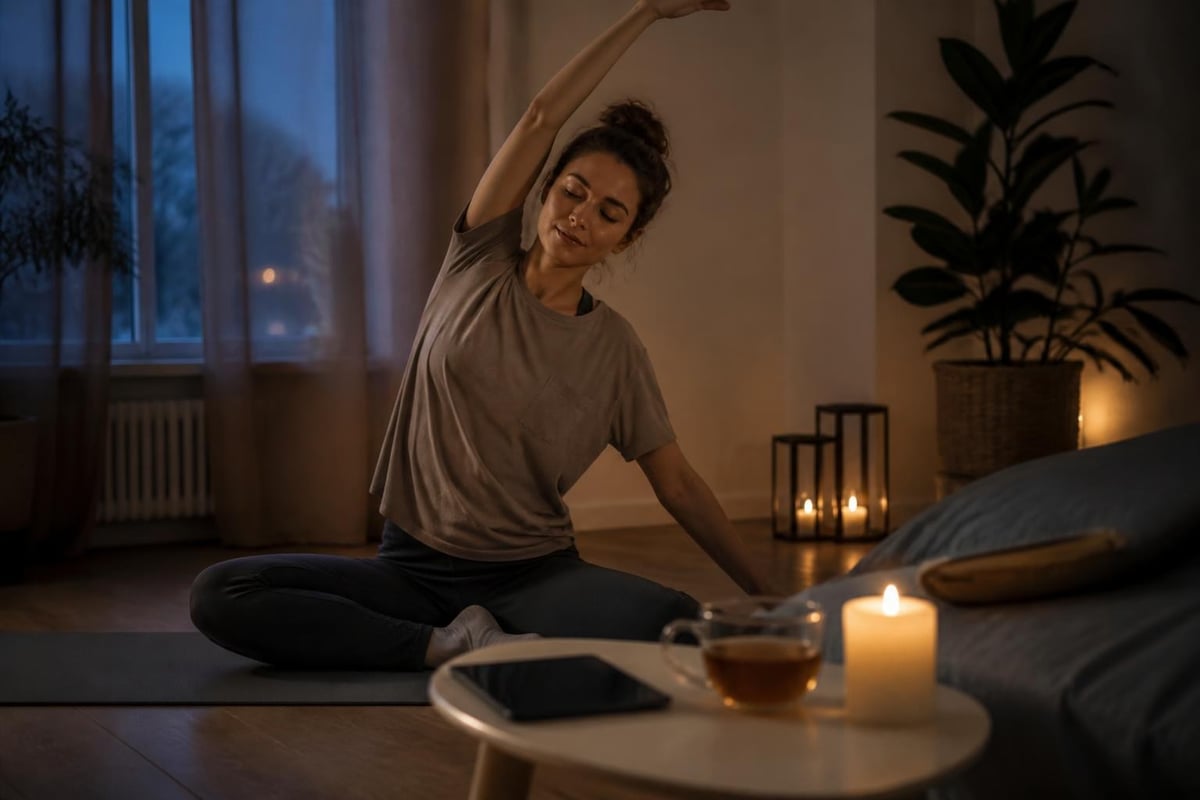
- Set a digital curfew 60-90 minutes before bed to reduce blue light exposure
- Engage in calming activities like reading, gentle stretching, or journaling
- Keep a consistent bedtime, even on weekends, to regulate your circadian rhythm
- Limit caffeine after 2 PM and alcohol before bed (it disrupts sleep architecture)
- Try progressive muscle relaxation or guided meditation to ease physical tension
For more detailed strategies on improving sleep quality, explore resources on sleep and stress relief that address common obstacles women face.
Mental and Emotional Wellness Practices
Stress management ranks among the most important wellness tips for women because chronic stress drives inflammation, disrupts hormones, and depletes emotional reserves. The American Psychological Association offers evidence-based strategies for managing stress, but implementation requires building daily habits, not just crisis intervention.
Daily Mindfulness Techniques
Mindfulness doesn't require hour-long meditation sessions. Brief, consistent practices rewire your nervous system over time:
- Five-minute breathing exercises using box breathing (inhale 4 counts, hold 4, exhale 4, hold 4) activate your parasympathetic nervous system
- Body scan meditation during lunch breaks releases accumulated physical tension
- Gratitude journaling for three specific things shifts your brain's negativity bias
- Mindful transitions between activities prevent the day from blurring into overwhelm
Building simple mindfulness practices into your existing routine makes them sustainable long-term.
Setting Boundaries That Protect Your Energy
Women often struggle with boundary-setting due to socialization around caretaking and people-pleasing. Healthy boundaries aren't selfish-they're essential wellness infrastructure. This means learning to say no without elaborate justification, protecting time for rest and hobbies, and communicating your needs clearly in relationships.
Practical boundary strategies include:
- Turning off work notifications outside business hours
- Scheduling "white space" in your calendar for flexibility and rest
- Delegating or outsourcing tasks that drain you unnecessarily
- Recognizing that "No" is a complete sentence
- Regularly assessing commitments and releasing what no longer serves you
The mental clarity and reduced overwhelm that follow boundary implementation often surprise women who've spent years over-functioning.
Preventive Health and Medical Advocacy
Wellness extends beyond daily habits to include preventive care and effective healthcare communication. The Office on Women's Health provides practical guidance on maximizing health-care visits, an often-overlooked aspect of wellness tips for women.
Essential Health Screenings by Age
| Age Range | Recommended Screenings | Frequency |
|---|---|---|
| 20s-30s | Pap smear, blood pressure, cholesterol (if risk factors), mental health assessment | Every 3 years (Pap), annually (BP), as recommended |
| 40s | Mammogram, blood sugar/diabetes screening, thyroid function | Annually (mammogram), every 3 years (diabetes), as symptoms warrant |
| 50+ | Colonoscopy, bone density scan, comprehensive metabolic panel | Every 10 years (colonoscopy if normal), every 2 years (bone density) |
Beyond screenings, advocate for yourself during medical appointments. Prepare questions in advance, describe symptoms specifically (not "I'm tired" but "I need two naps daily despite 8 hours of sleep"), and request explanations when recommendations aren't clear. Many women's concerns are dismissed as stress or anxiety-persist until you receive thorough evaluation.
For those navigating the specific challenges of midlife hormonal shifts, targeted information on menopause wellness can provide additional support.
Social Connection and Community Wellness
Human beings are wired for connection, and women's health particularly benefits from strong social networks. Loneliness correlates with increased inflammation, cardiovascular risk, and mental health challenges. These wellness tips for women emphasize that community isn't optional-it's fundamental.
Building Meaningful Connections
Quality trumps quantity when it comes to relationships. A few deep, reciprocal friendships outweigh dozens of superficial connections. Prioritize time with people who energize rather than deplete you, who celebrate your successes without jealousy, and with whom you can be authentically yourself.
- Join groups aligned with your interests (book clubs, hiking groups, craft circles)
- Volunteer for causes you care about to meet like-minded people
- Schedule regular friend dates with the same intentionality as work meetings
- Limit time with relationships that feel obligatory or consistently negative
- Consider working with a therapist to process relationship patterns or past wounds
Harvard Women's Health Watch research consistently shows that women with strong social ties live longer, recover faster from illness, and experience better cognitive function as they age.
Hormone Health Across the Lifespan
Hormones orchestrate nearly every system in women's bodies, making hormonal wellness central to overall health. From puberty through postmenopause, understanding your hormonal patterns empowers better self-care decisions.
Supporting Natural Hormone Balance
While medical intervention sometimes proves necessary, lifestyle factors significantly impact hormonal health:
- Adequate sleep regulates leptin, ghrelin, cortisol, and reproductive hormones
- Stress management prevents cortisol from suppressing progesterone and thyroid function
- Regular movement improves insulin sensitivity and supports estrogen metabolism
- Nutrient-dense foods provide building blocks for hormone production
- Toxin reduction (BPA-free containers, natural cleaning products) limits endocrine disruptors
Many women benefit from cycle-syncing-adjusting exercise intensity, social activities, and work demands to their menstrual phase. The follicular phase (post-period) often brings higher energy suitable for challenging workouts and big projects, while the luteal phase (pre-period) calls for gentler movement and lower-stress activities.
If you experience severe PMS, irregular cycles, or menopausal symptoms that disrupt daily life, consult a healthcare provider. These aren't "normal" experiences to tolerate-they're signals worth investigating.

Creating Your Personalized Wellness Routine
The most effective wellness tips for women are those you'll actually implement consistently. Grand overhauls fail; small, stacked habits succeed. Start by identifying your biggest wellness gap-is it sleep, movement, stress management, or nutrition?
The 5-Minute Reset Strategy
When overwhelm strikes, a brief reset prevents the entire day from spiraling. This simple framework requires just five minutes:
- Minute 1-2: Step outside or look out a window, noticing natural light and taking three deep breaths
- Minute 3: Name three things you can see, two you can hear, and one you can feel (grounding technique)
- Minute 4: Stretch your neck, shoulders, and wrists to release physical tension
- Minute 5: Set one micro-intention for the next hour only (not the whole day)
This mini-routine interrupts the stress response and returns you to the present moment. Repeat whenever you notice tension building.
Weekly Wellness Audit
Each Sunday, spend 10 minutes reviewing the past week and planning ahead. Ask yourself:
- Did I move my body at least three times?
- Was sleep generally restorative or disrupted?
- When did I feel most calm and energized? What was I doing?
- When did I feel most stressed or depleted? What triggered it?
- What's one small adjustment I'll make this coming week?
This reflection builds self-awareness and helps you recognize patterns before they become problems. For additional support in building daily wellness routines, explore structured guides that break habits into manageable steps.
My Calm Reset offers a wealth of resources designed specifically to support your journey toward greater balance and peace. From calming blogs that address specific wellness challenges to downloadable guides that simplify routine-building, you'll find practical tools that fit into real life.

Practical Implementation: Where to Start
Wellness isn't achieved through perfection-it's built through consistent, compassionate self-care. Begin with the area causing you the most distress right now. If you're exhausted, prioritize sleep hygiene before adding morning workouts. If anxiety dominates your days, establish stress management practices before overhauling your diet.
A realistic 30-day wellness foundation:
| Week | Focus Area | Daily Action |
|---|---|---|
| 1 | Sleep | Establish consistent bedtime, create wind-down routine |
| 2 | Movement | Add 15-minute walk or gentle stretching |
| 3 | Nutrition | Drink half your body weight in ounces of water |
| 4 | Mindfulness | Practice 5-minute breathing exercise |
After establishing one habit, layer on the next. This gradual approach prevents overwhelm and builds genuine lifestyle change rather than temporary willpower-driven effort.
Adapting Wellness Tips for Women in Different Life Seasons
A college student's wellness plan differs drastically from a new mother's or a woman navigating perimenopause. Effective wellness tips for women acknowledge these variations:
New mothers need rest prioritization, pelvic floor rehabilitation, and realistic expectations about returning to pre-pregnancy routines. Sleep when the baby sleeps isn't lazy-it's survival.
Career-building years require boundary-setting, efficient stress management, and protecting time for relationships and joy despite professional demands.
Midlife transitions call for strength training to offset muscle loss, cardiovascular exercise for heart health, and often more assertive healthcare advocacy as symptoms get dismissed as "just aging."
Retirement and beyond benefits from continued social engagement, cognitive challenges through learning, and movement that maintains independence and mobility.
The common thread across all stages: listen to your body, honor your needs without guilt, and adjust your approach as circumstances change.
Overcoming Common Wellness Obstacles
Women face predictable barriers when trying to prioritize wellness. Recognizing these patterns helps you plan around them rather than letting them derail progress.
"I Don't Have Time"
Time scarcity feels real, but closer examination often reveals misaligned priorities. Track how you spend time for three days-you'll likely find pockets spent on obligation, low-value activities, or numbing behaviors that could be redirected. Even five intentional minutes of self-care beats zero.
"I Feel Guilty Putting Myself First"
This deeply ingrained pattern stems from socialization around women as caregivers. Reframe self-care as responsibility, not indulgence. You cannot pour from an empty cup-maintaining your wellness makes you more available, patient, and present for others.
"I've Tried Everything and Nothing Works"
Usually, this means you've tried many things briefly or inconsistently. Sustainable change requires 6-8 weeks before habits feel natural and benefits become apparent. Also consider whether you're addressing root causes (chronic stress, undiagnosed health conditions) rather than just symptoms (fatigue, weight gain).
For support in managing the feeling of having tried everything, resources on reducing overwhelm provide frameworks for breaking the cycle.
Wellness as a Practice, Not a Destination
These wellness tips for women aren't about achieving some perfect state of health where you never feel tired, stressed, or out of balance. They're about building resilience, self-awareness, and sustainable practices that support you through life's inevitable ups and downs.
Wellness requires ongoing adjustment. What worked in your 30s may not serve you in your 40s. A routine that fits when you're single might need modification after marriage or children. This flexibility-this willingness to reassess and adapt-defines true wellness more than any specific diet, exercise program, or meditation practice.
Start where you are. Use what you have. Do what you can. That's enough.
Wellness isn't a luxury reserved for when life calms down-it's the foundation that helps you navigate life's complexity with more grace and less depletion. By implementing even a few of these wellness tips for women, you'll begin noticing shifts in your energy, mood, and resilience. My Calm Reset provides the daily support you need through calming blogs, simple routines, and practical guides that meet you exactly where you are. Explore the resources designed to help you feel more balanced, grounded, and at peace in your everyday life.
Get the free Mini Reset
A short sample of the 7-day guide — a gentle practice you can try today. Enter your email and the download link appears instantly.
Free. No spam. Unsubscribe anytime.
Want more calm in your life?
The Calm Reset guide is a 48-page digital book of rituals, prompts, and practices for a calmer life.
Get the Guide