How to Feel Calmer: 12 Proven Techniques for Daily Peace
Finding peace in today's fast-paced world can feel like an impossible task. Between work demands, personal responsibilities, and constant digital notifications, our nervous systems rarely get a chance to truly settle. Yet learning how to feel calmer isn't about escaping reality or eliminating every stressor. It's about developing practical tools and sustainable habits that help you navigate life's challenges with greater ease and resilience. The good news is that calmness is a skill you can cultivate through intentional practices, and small changes can create meaningful shifts in your daily experience.
Understanding What Disrupts Your Calm
Before exploring solutions, it's essential to recognize what triggers your stress response. Your body's fight-or-flight mechanism activates in response to perceived threats, whether that's a looming deadline, a difficult conversation, or simply too many tasks competing for your attention.
Modern life presents unique challenges that our ancestors never faced. Constant connectivity means we're perpetually available, making it difficult to establish clear boundaries between work and rest. Social media comparison cycles can leave us feeling inadequate, while information overload keeps our minds racing even when we desperately need stillness.
Physical Signs You Need to Reset
Your body often signals the need for calm before your mind consciously registers it. Common indicators include:
- Tension in your shoulders, jaw, or neck
- Shallow, rapid breathing patterns
- Difficulty concentrating on tasks
- Increased irritability or emotional reactivity
- Sleep disruptions or persistent fatigue
- Digestive issues or appetite changes
Recognizing these patterns early allows you to intervene before stress becomes overwhelming. The Cleveland Clinic outlines specific techniques that address these physiological responses, helping you restore balance when you notice these warning signs.
Breathing Techniques That Actually Work
Understanding how to feel calmer starts with your breath. Unlike many bodily functions you can't control, breathing offers a direct pathway to influence your nervous system. When you're stressed, breathing becomes shallow and rapid. By consciously slowing your breath, you signal to your brain that it's safe to relax.
The 4-7-8 Method
This technique has gained popularity for good reason. Inhale through your nose for four counts, hold for seven counts, then exhale completely through your mouth for eight counts. The extended exhale activates your parasympathetic nervous system, which governs rest and recovery.
Practice this method when you first wake up, before important meetings, or whenever anxiety creeps in. Consistency matters more than duration. Three cycles performed with full attention create more benefit than ten cycles done while multitasking.
Box Breathing for Mental Clarity
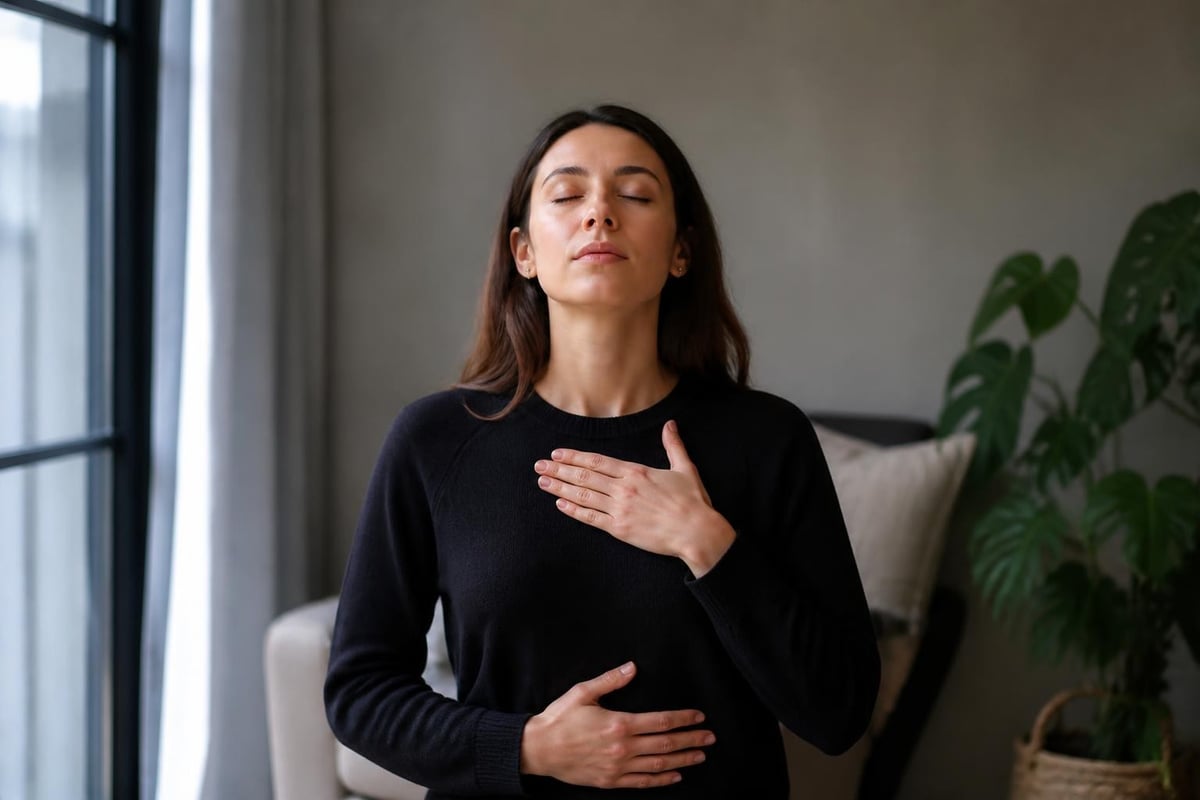
Military personnel and first responders use box breathing to maintain composure in high-pressure situations. Visualize a square: inhale for four counts, hold for four, exhale for four, hold for four. Repeat this pattern for two to five minutes.
This balanced approach doesn't just calm your physiology. It also gives your racing mind a simple task to focus on, interrupting anxious thought spirals. Many people find that incorporating self-soothing techniques like box breathing into their daily routine creates a foundation for sustained calm.
Creating Physical Outlets for Stress
Mental tension manifests in physical form, and addressing the body helps quiet the mind. Movement doesn't need to be intense to be effective. What matters is finding physical activities that help you discharge accumulated stress.
Regular walks provide multiple benefits simultaneously. Natural light regulates your circadian rhythm, supporting better sleep. The rhythmic motion of walking has a meditative quality. Fresh air and changing scenery break mental loops that keep you stuck in worry.
| Activity Type | Calming Benefits | Time Needed |
|---|---|---|
| Gentle yoga | Releases muscle tension, connects breath to movement | 10-30 minutes |
| Walking | Clears mental fog, provides fresh perspective | 15-45 minutes |
| Progressive muscle relaxation | Identifies tension patterns, promotes body awareness | 10-20 minutes |
| Stretching | Reduces physical discomfort, improves circulation | 5-15 minutes |
For those exploring calming techniques for anxiety, physical practices often provide the fastest relief. Your body and mind aren't separate systems. They constantly influence each other, creating opportunities to access calm through multiple pathways.
Establishing Grounding Routines
Knowing how to feel calmer requires structure, especially during chaotic periods. Routines provide anchors that keep you tethered to stability when everything else feels uncertain. These don't need to be elaborate. Simple, consistent practices create the most lasting impact.
Morning Rituals That Set Your Tone
The first hour after waking shapes your entire day. Instead of immediately checking your phone, consider establishing a sequence that centers you. This might include:
- Drinking a full glass of water before coffee
- Five minutes of stretching or gentle movement
- Three deep breaths while stating an intention
- Reviewing your priorities without digital distraction
- Eating breakfast mindfully, noticing flavors and textures
These actions signal to your nervous system that you're in control, not simply reacting to external demands. You can find additional ideas in our guide on creating a calm morning routine that supports sustained peace throughout your day.
Evening Wind-Down Practices
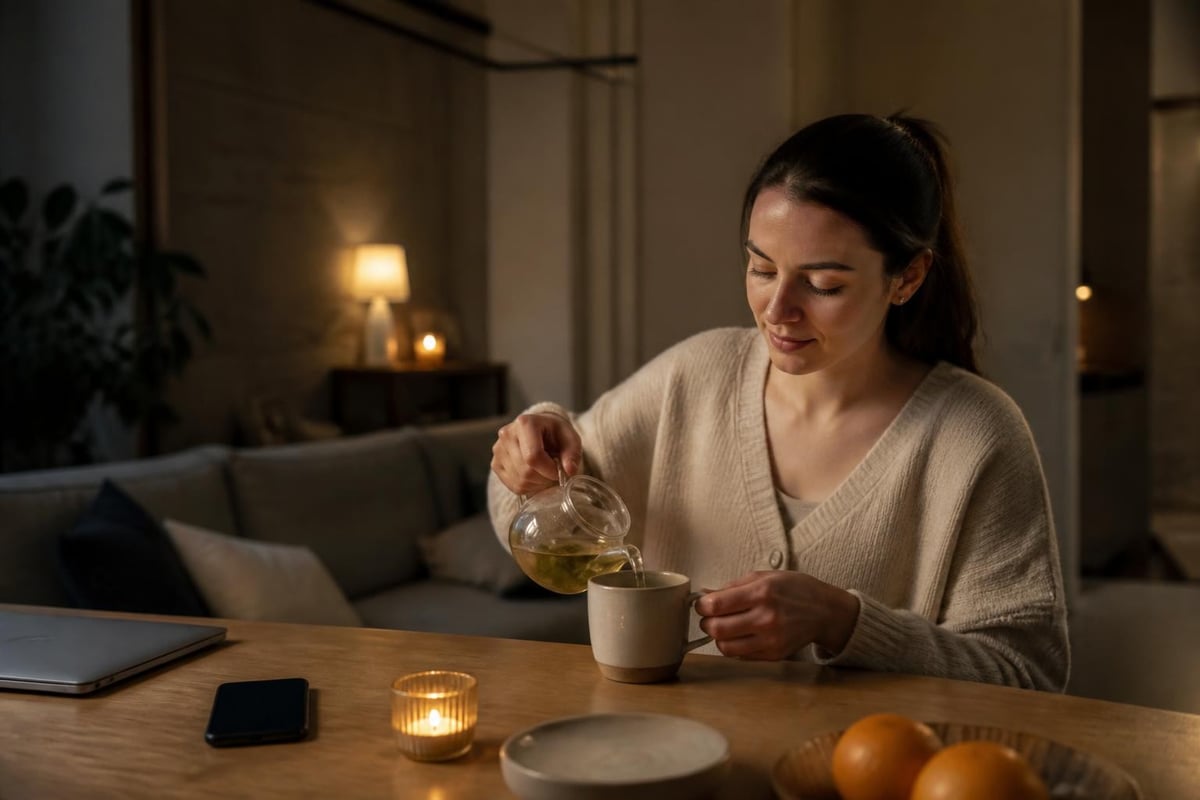
Quality sleep depends on signaling to your body that it's time to transition from activity to rest. Create a consistent bedtime routine that begins 30-60 minutes before you want to sleep.
Dim your lights to support melatonin production. Put devices in another room to eliminate the temptation to scroll. Consider a warm shower, herbal tea, or light reading. The specific activities matter less than the consistency of performing them in the same sequence each night.
Managing Your Mental Environment
Your thoughts create your experience of reality. Two people facing identical circumstances can have vastly different emotional responses based on their mental narratives. Learning how to feel calmer involves cultivating awareness of your thought patterns and developing skills to redirect them.
Cognitive Reframing Techniques
When stressful thoughts arise, pause and examine them. Are you catastrophizing, imagining worst-case scenarios that likely won't occur? Are you personalizing situations beyond your control? Simply noticing these patterns reduces their power.
Ask yourself: What evidence supports this thought? What evidence contradicts it? How might I view this situation six months from now? These questions create distance between you and your anxiety, opening space for perspective.
The Cleveland Clinic recommends specific strategies for managing anxious thoughts, including positive mantras and deliberate thought replacement. These aren't about forcing false positivity. They're about balancing your natural negativity bias with more realistic assessments.
The Power of Journaling
Writing externalizes internal chaos. When worries cycle endlessly in your mind, they feel overwhelming. Putting them on paper contains them, making them manageable and finite.
Try morning pages: three pages of unfiltered writing first thing each day. Don't edit or censor. Simply allow whatever's in your mind to flow onto the page. This practice clears mental clutter, creating space for calm to emerge.
Alternatively, keep a worry journal. When anxious thoughts arise during the day, jot them down with a commitment to address them during a designated "worry time" later. This prevents concerns from hijacking your present moment while ensuring they're not ignored.
Optimizing Your Physical Space
Your environment constantly influences your nervous system, often without conscious awareness. Visual clutter creates mental clutter. Harsh lighting increases tension. Lack of personal touches can make spaces feel cold and unwelcoming.
Start with one area where you spend significant time. This might be your bedroom, workspace, or a reading corner. Remove items that don't serve a clear purpose or bring you joy. Clean surfaces allow your eyes and mind to rest.
Sensory Adjustments for Calm
Consider each sense when optimizing your space:
- Sight: Incorporate calming colors, natural light, and minimal visual complexity
- Sound: Use white noise machines, nature sounds, or silence to buffer disruptive noises
- Smell: Introduce calming scents through essential oils, candles, or fresh flowers
- Touch: Add soft textures through blankets, pillows, or comfortable seating
- Taste: Keep healthy snacks and herbal teas readily available
Small environmental changes compound over time. You might not notice the impact of a single adjustment, but collectively they create spaces that support rather than sabotage your calm.
Digital Boundaries for Mental Peace
Technology offers tremendous benefits while simultaneously fragmenting our attention and escalating our stress. Understanding how to feel calmer in 2026 requires addressing our relationship with devices and digital content.
Notifications interrupt our focus dozens of times daily, each disruption requiring mental energy to recover from. Social media algorithms prioritize engagement over wellbeing, serving content designed to provoke strong emotional reactions. Email and messaging apps create expectations of constant availability.
Practical Tech Limitations
Consider implementing:
- Notification restrictions: Allow only essential alerts during work hours
- App time limits: Use built-in tools to cap social media usage
- Device-free zones: Keep phones out of bedrooms and dining areas
- Airplane mode periods: Schedule uninterrupted focus time daily
- Grayscale settings: Remove the visual reward of colorful interfaces
For deeper exploration of this topic, our article on establishing digital boundaries offers specific strategies for reclaiming your attention and reducing technology-induced stress.
The Role of Connection and Community
Humans are inherently social creatures. While solitude offers necessary restoration, isolation often amplifies anxiety. Meaningful connection with others provides perspective, support, and the reminder that you're not alone in your struggles.
Quality matters more than quantity when it comes to relationships. One honest conversation with a trusted friend offers more benefit than dozens of superficial interactions. Seek out people who respond to your concerns with empathy rather than judgment or immediate solutions.
Building Your Support Network
Identify individuals who help you feel grounded. These might be family members, friends, colleagues, mentors, or community members. Make regular connection a priority, even when life gets busy.
Consider joining groups centered around shared interests or values. Book clubs, meditation groups, volunteer organizations, or hobby-based communities provide natural opportunities for connection while engaging in meaningful activities.

Nutrition's Impact on Your Nervous System
What you eat directly affects your ability to maintain calm. Blood sugar spikes and crashes create mood volatility. Caffeine amplifies anxiety in sensitive individuals. Nutrient deficiencies compromise your stress response capacity.
Focus on whole foods that provide steady energy. Protein stabilizes blood sugar. Complex carbohydrates support serotonin production. Healthy fats nourish your nervous system. Colorful vegetables provide antioxidants that combat stress-related inflammation.
| Food Category | Calming Properties | Examples |
|---|---|---|
| Omega-3 rich foods | Reduce inflammation, support brain health | Salmon, walnuts, chia seeds |
| Magnesium sources | Relax muscles, calm nervous system | Leafy greens, almonds, dark chocolate |
| Probiotic foods | Support gut-brain connection | Yogurt, kimchi, sauerkraut |
| Herbal teas | Provide ritual and bioactive compounds | Chamomile, passionflower, lemon balm |
The comprehensive guide on relieving stress and anxiety includes detailed information about dietary strategies that support mental wellbeing. Small adjustments to your eating patterns can create noticeable shifts in your baseline stress levels.
Mindfulness Without Meditation
While formal meditation offers profound benefits, it's not the only path to present-moment awareness. Many people struggle with traditional seated meditation, feeling frustrated when their minds won't quiet. The good news is that mindfulness simply means paying attention to your current experience without judgment.
You can practice mindfulness while washing dishes, noticing the temperature of the water and the sensation of soap on your hands. You can be mindful while eating, truly tasting each bite instead of consuming food while distracted. Walking mindfully means feeling your feet contact the ground with each step.
These informal practices accumulate throughout your day, training your brain to spend less time ruminating about the past or worrying about the future. This shift alone dramatically impacts how to feel calmer in everyday life.
My Calm Reset provides simple routines and downloadable guides designed to help you integrate these mindfulness practices seamlessly into your existing schedule, making calm more accessible regardless of how busy life becomes.

Progressive Relaxation for Physical Release
Tension accumulates in your body throughout the day, often without conscious awareness. Progressive muscle relaxation systematically addresses this buildup, creating profound physical and mental calm.
Start at your toes. Tense the muscles as tightly as possible for five seconds, then release completely. Notice the contrast between tension and relaxation. Move progressively upward: feet, calves, thighs, buttocks, abdomen, chest, hands, arms, shoulders, neck, and face.
This technique serves two purposes. First, it releases accumulated physical tension. Second, it trains you to recognize what tension feels like, enabling earlier intervention. With practice, you'll notice shoulder tightness or jaw clenching immediately, addressing it before it escalates.
Creating Your Personal Reset Ritual
Everyone's path to calm looks different. What soothes one person might agitate another. Your task is discovering what genuinely works for you, not what you think should work based on others' recommendations.
Experiment with the techniques outlined here. Notice which create the most significant shifts in your state. Pay attention to timing as well. Morning practices might energize you while evening versions promote sleep. The same activity performed at different times can serve different purposes.
Your Five-Minute Emergency Reset
Develop a condensed version of your favorite practices for moments when stress spikes unexpectedly. This might combine:
- One minute of deep breathing
- Two minutes of physical movement or stretching
- One minute of sensory grounding (noticing five things you see, four you hear, three you feel, two you smell, one you taste)
- One minute of positive affirmation or reframing
Having a prepared sequence prevents decision paralysis when you're already overwhelmed. You can explore more quick reset options in our article on the 5-minute reset for busy schedules.
Tracking Progress and Adjusting
Calmness isn't a destination you reach and remain at permanently. It's a dynamic state you return to repeatedly through consistent practice. Track your progress not by comparing yourself to others, but by noticing your own patterns over time.
Keep a simple log rating your overall stress levels daily on a scale of one to ten. Note which practices you implemented and any significant events. Over weeks and months, patterns emerge revealing what truly helps versus what feels productive but creates minimal impact.
Be willing to adjust your approach as circumstances change. Techniques that work during stable periods might need modification during major life transitions. Flexibility and self-compassion matter more than rigid adherence to specific methods.
Building Long-Term Resilience
Understanding how to feel calmer isn't about eliminating all stress from your life. That's neither possible nor desirable. Some stress motivates growth and achievement. The goal is developing resilience: the capacity to experience stress without becoming overwhelmed by it.
Resilience grows through consistent practice of the techniques outlined here. Each time you consciously regulate your breath, move your body, or reframe a thought, you strengthen neural pathways that support calm. These changes are cumulative. Six months of daily practice creates fundamentally different results than sporadic efforts when crisis strikes.
Think of calmness practices like physical fitness training. You don't go to the gym once and expect permanent strength. You build capacity gradually through regular effort. Similarly, daily investments in your mental and emotional wellbeing compound over time, creating a robust foundation that supports you through life's inevitable challenges.
Finding calm in modern life requires intentional effort, but the practices themselves can be surprisingly simple. By incorporating breathing techniques, physical movement, supportive routines, and mindful awareness into your daily life, you create a sustainable foundation for peace that grows stronger over time. My Calm Reset offers daily blogs, practical routines, and downloadable resources designed to support your journey toward feeling more balanced, grounded, and calm in everyday life, one small step at a time.
Get the free Mini Reset
A short sample of the 7-day guide — a gentle practice you can try today. Enter your email and the download link appears instantly.
Free. No spam. Unsubscribe anytime.
Want more calm in your life?
The Calm Reset guide is a 48-page digital book of rituals, prompts, and practices for a calmer life.
Get the Guide