Anxiety Relief: Proven Strategies for a Calmer Mind

Anxiety has become one of the most prevalent mental health challenges of our time, affecting millions of people across all age groups and backgrounds. While experiencing occasional worry is a normal part of life, persistent anxiety can disrupt your daily routines, relationships, and overall well-being. The good news is that anxiety relief is accessible through a combination of evidence-based techniques, lifestyle adjustments, and consistent daily practices. Understanding how to manage anxiety effectively can transform your relationship with stress and help you reclaim a sense of peace in your everyday life.
Understanding the Foundation of Anxiety Relief
Anxiety manifests differently for everyone, ranging from mild unease to overwhelming panic. Harvard Health discusses various types of anxiety disorders and their symptoms, highlighting how understanding your specific anxiety patterns is the first step toward effective relief. When you recognize your triggers and physical symptoms, you can begin implementing targeted strategies that address your unique needs.
The physiological response to anxiety involves your nervous system shifting into fight-or-flight mode, releasing stress hormones like cortisol and adrenaline. This biological reaction, while helpful in genuine emergencies, becomes problematic when activated by everyday stressors. Anxiety relief techniques work by interrupting this cycle and engaging your parasympathetic nervous system, which promotes relaxation and calm.
The Mind-Body Connection
Your mental state directly influences your physical body, and vice versa. Tension in your shoulders, shallow breathing, and a racing heart are all physical manifestations of anxious thoughts. By addressing both the mental and physical components simultaneously, you create more comprehensive anxiety relief.
Breathing Techniques for Immediate Anxiety Relief
One of the most accessible tools for anxiety relief is your breath. Controlled breathing exercises can rapidly shift your nervous system from a stressed state to a calm one, often within minutes.
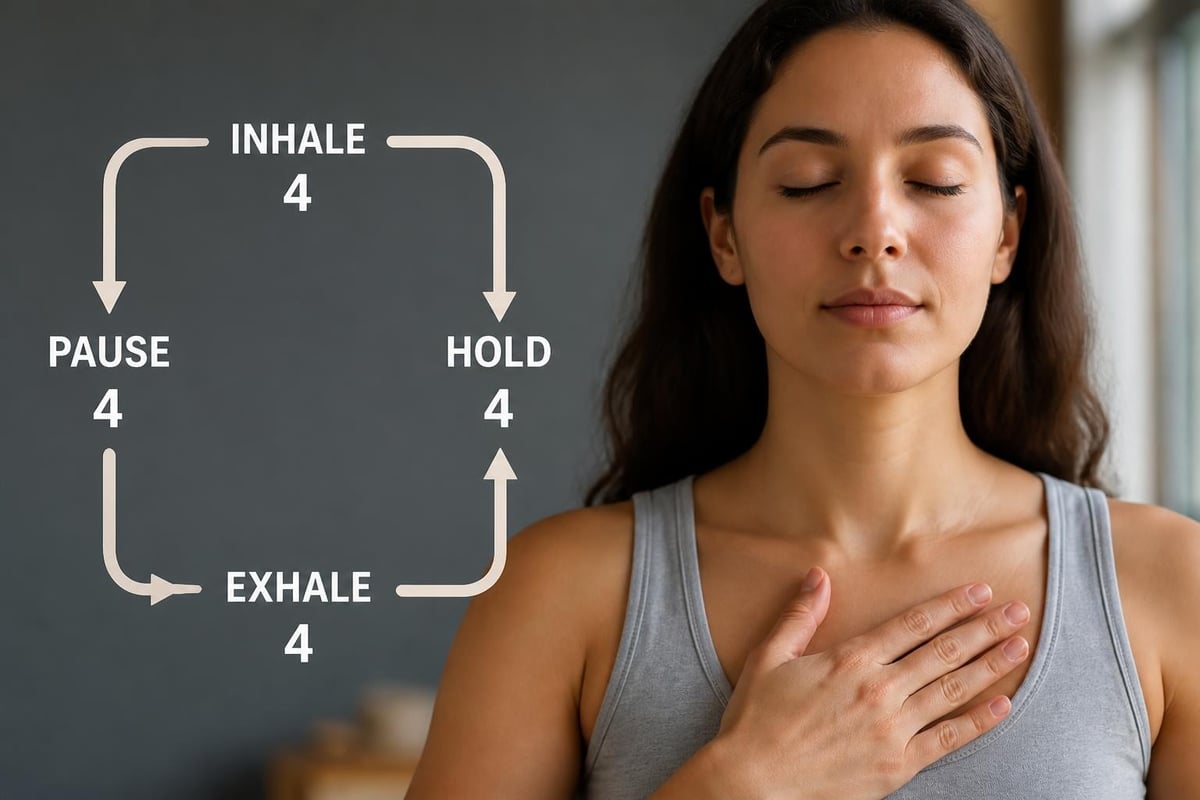
Box Breathing Method:
- Inhale slowly through your nose for 4 counts
- Hold your breath for 4 counts
- Exhale slowly through your mouth for 4 counts
- Hold empty for 4 counts
- Repeat for 5-10 cycles
This technique, used by everyone from athletes to military personnel, provides quick anxiety relief by regulating oxygen and carbon dioxide levels in your bloodstream. The rhythmic pattern also gives your mind something specific to focus on, interrupting anxious thought spirals.
Diaphragmatic Breathing
Also known as belly breathing, this method engages your diaphragm fully and promotes deeper relaxation. Place one hand on your chest and one on your belly. Breathe in slowly through your nose, allowing your belly to rise while keeping your chest relatively still. Exhale slowly through pursed lips, feeling your belly fall. This simple shift from chest breathing to belly breathing can provide significant anxiety relief throughout your day.
Daily Routines That Support Anxiety Relief
Consistency is powerful when it comes to managing anxiety. Establishing daily routines creates a sense of predictability and control, both of which counter anxiety's uncertainty. The calm morning routine you establish sets the tone for your entire day.
| Morning Practice | Time Required | Primary Benefit |
|---|---|---|
| Mindful breathing | 5 minutes | Nervous system regulation |
| Journaling | 10 minutes | Thought processing |
| Light stretching | 10 minutes | Physical tension release |
| Hydration & nutrition | 15 minutes | Blood sugar stability |
| Digital boundaries | Ongoing | Mental space protection |
Starting your day without immediately checking your phone or email gives you time to center yourself before external demands begin. This small adjustment can significantly impact your baseline anxiety levels throughout the day.
Evening Wind-Down Rituals
Just as morning routines matter, evening practices prepare your nervous system for restorative sleep. Creating a consistent bedtime routine signals to your brain that it's time to transition from activity to rest. Dimming lights, avoiding screens, and engaging in calming activities like reading or gentle stretching all support anxiety relief.
The 5-minute reset technique offers a quick way to decompress during transitions between work and home or before bed. These micro-practices accumulate throughout your day, building resilience against anxiety.
Physical Movement as Anxiety Relief
Exercise is one of the most researched and effective methods for reducing anxiety. Physical activity releases endorphins, burns off excess stress hormones, and provides a healthy outlet for nervous energy. You don't need intense workouts to experience benefits-consistent moderate movement often provides better anxiety relief than sporadic high-intensity sessions.
Effective Movement Options:
- Walking in nature or around your neighborhood
- Yoga combining breath work and gentle stretching
- Swimming for full-body relaxation
- Dancing to your favorite music
- Tai chi for mindful movement
The key is choosing activities you genuinely enjoy, making consistency easier to maintain. Even a 20-minute walk can shift your mental state and provide measurable anxiety relief.
Nutrition and Lifestyle Factors
What you consume directly affects your anxiety levels. Caffeine, while providing temporary energy, can exacerbate anxiety symptoms by triggering your stress response. Similarly, alcohol might seem relaxing initially but disrupts sleep quality and can worsen anxiety over time.
Foods That Support Calm:
- Complex carbohydrates for stable blood sugar
- Omega-3 fatty acids found in fish and walnuts
- Magnesium-rich foods like leafy greens and seeds
- Fermented foods supporting gut health
- Herbal teas like chamomile and lavender
Blood sugar fluctuations significantly impact anxiety levels. Eating balanced meals at regular intervals prevents the irritability and nervousness that accompany hunger and energy crashes. Staying adequately hydrated also supports cognitive function and emotional regulation.

Sleep as Foundation
Poor sleep and anxiety create a vicious cycle. Anxiety disrupts sleep, and sleep deprivation intensifies anxiety. Prioritizing sleep hygiene-maintaining consistent sleep and wake times, creating a dark and cool bedroom environment, and limiting screen exposure before bed-provides fundamental anxiety relief. Research on anxiety disorders consistently shows the connection between sleep quality and anxiety severity.
Cognitive Strategies for Anxiety Relief
Your thoughts powerfully influence your emotional state. Anxious thinking patterns often involve catastrophizing, overgeneralizing, or focusing exclusively on potential negative outcomes. Learning to identify and challenge these patterns reduces their grip on your mental state.
Thought Reframing Process:
- Notice the anxious thought without judgment
- Ask yourself: Is this thought factual or fear-based?
- Consider alternative, more balanced perspectives
- Choose a response rather than reacting automatically
When dealing with a racing mind, writing down your worries can externalize them and make them feel more manageable. This practice provides anxiety relief by preventing thoughts from spinning endlessly in your head.
The Worry Window Technique
Designate a specific 15-minute period each day as your "worry time." When anxious thoughts arise outside this window, acknowledge them and postpone detailed consideration until your designated time. This technique prevents anxiety from dominating your entire day while still honoring your concerns.
Grounding Techniques for Acute Anxiety
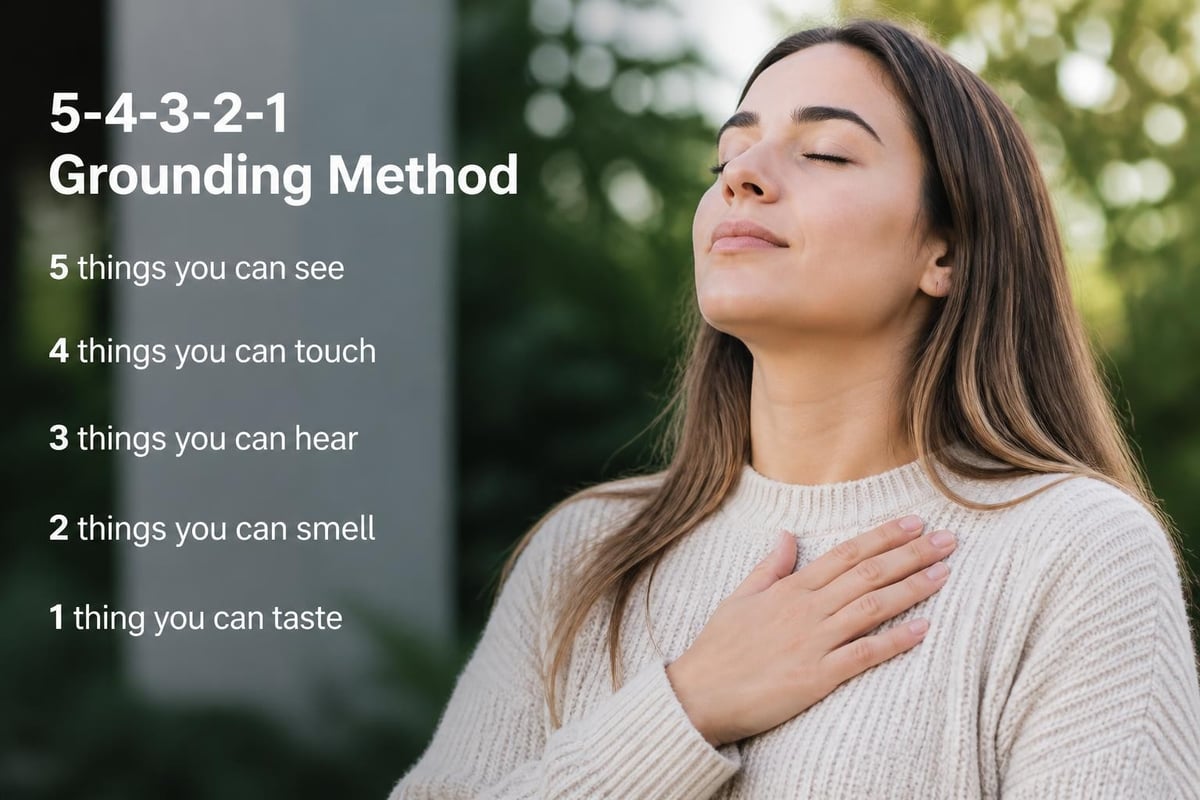
When anxiety spikes suddenly, grounding techniques help you reconnect with the present moment and interrupt the panic response. The 5-4-3-2-1 method provides structured anxiety relief during intense moments.
| Sense | Action | Example |
|---|---|---|
| Sight | Name 5 things you see | Blue wall, coffee mug, plant, window, book |
| Touch | Name 4 things you can feel | Chair beneath you, floor under feet, clothes on skin, air temperature |
| Hearing | Name 3 things you hear | Birds outside, refrigerator hum, distant traffic |
| Smell | Name 2 things you smell | Coffee, fresh air |
| Taste | Name 1 thing you taste | Mint toothpaste, lunch remnants |
This exercise shifts your attention from internal anxiety to external reality, providing immediate relief from spiraling thoughts.
Progressive Muscle Relaxation
This technique involves systematically tensing and releasing different muscle groups throughout your body. Starting with your toes and working upward, tense each muscle group for 5 seconds, then release completely. The contrast between tension and relaxation helps you recognize and release physical stress you might be holding unconsciously, providing whole-body anxiety relief.
Mindfulness and Meditation Practices
Mindfulness involves paying attention to the present moment without judgment. This practice directly counters anxiety, which typically focuses on future worries or past regrets. Regular mindfulness meditation builds your capacity to observe anxious thoughts without becoming overwhelmed by them.
Start with just 5 minutes daily, focusing on your breath or body sensations. When your mind wanders to anxious thoughts-and it will-gently redirect your attention without self-criticism. This gentle redirection strengthens your ability to manage anxiety over time.
Complementary health approaches for anxiety include various meditation styles, each offering different benefits. Loving-kindness meditation, body scan meditation, and guided visualization all provide anxiety relief through distinct mechanisms.
Creating Your Personal Anxiety Relief Plan
No single technique works universally. Your most effective anxiety relief strategy will combine multiple approaches tailored to your lifestyle, preferences, and specific anxiety triggers. Experimenting with different methods helps you discover what resonates most deeply.
Building Your Plan:
- Identify your most common anxiety triggers and symptoms
- Select 2-3 techniques from different categories (breathing, movement, cognitive)
- Practice your chosen techniques during calm moments first
- Gradually implement them during mild anxiety
- Adjust and refine based on what provides the most relief
Tracking your practices and anxiety levels in a simple journal reveals patterns and helps you understand which strategies provide the most significant anxiety relief for your unique situation.
The Importance of Professional Support
While self-help strategies provide valuable anxiety relief, professional support from therapists or counselors offers personalized guidance and evidence-based treatments. Cognitive-behavioral therapy (CBT), acceptance and commitment therapy (ACT), and other therapeutic approaches have strong research backing for anxiety management. Guidelines for managing anxiety disorders emphasize the effectiveness of professional treatment combined with self-care practices.
Digital Wellness and Anxiety Management
Modern technology contributes significantly to anxiety through constant connectivity, information overload, and social comparison. Implementing digital boundaries provides essential anxiety relief in our hyperconnected world.
Setting specific times for checking email and social media, using do-not-disturb features, and creating phone-free zones in your home all reduce the constant low-level stress of digital demands. These boundaries create mental space for genuine relaxation and presence.
Technology as Tool, Not Master
While technology can increase anxiety, it can also support relief efforts. Apps for meditation, breathing exercises, and sleep tracking offer structured guidance and accountability. The key is using technology intentionally rather than reactively, maintaining control over when and how you engage with digital tools.
The Role of Connection and Community
Human connection serves as a powerful buffer against anxiety. Sharing your experiences with trusted friends, family members, or support groups reduces isolation and provides perspective. Knowing others understand your struggles creates a sense of belonging that counters anxiety's tendency to make you feel alone.
At My Calm Reset, you'll find a community focused on practical strategies for creating more peace in daily life through calming blogs, simple routines, and downloadable guides designed to support your journey toward balance.
Social support doesn't necessarily mean talking about anxiety directly. Simply spending time with people who make you feel comfortable and accepted provides ambient anxiety relief through positive connection.
Seasonal and Environmental Considerations
Your environment significantly impacts your anxiety levels. Natural light exposure, time in nature, and your physical surroundings all influence your nervous system. Creating calm spaces in your home-with comfortable seating, pleasant scents, and minimal clutter-gives you refuge when anxiety rises.
Seasonal changes affect mood and anxiety, with some people experiencing increased symptoms during darker winter months. Addressing these patterns through light therapy, vitamin D supplementation, and adjusted self-care routines provides targeted anxiety relief.
Recognizing Progress and Building Resilience
Anxiety relief isn't about eliminating anxiety entirely-it's about developing skills to manage it effectively. Progress often appears gradually, through slightly better days and improved recovery from setbacks. Acknowledging small improvements reinforces your commitment to ongoing practice.
Signs of Progress:
- Recognizing anxiety earlier in its escalation
- Recovering more quickly from anxious episodes
- Feeling more confident in your coping abilities
- Experiencing longer periods between anxiety spikes
- Maintaining functioning despite anxious feelings
Building anxiety resilience means accepting that difficult moments will occur while trusting your ability to navigate them. Each time you successfully apply anxiety relief techniques, you strengthen neural pathways that make future management easier.
Understanding that rest is a skill worth developing helps shift your relationship with anxiety relief from crisis management to ongoing self-care. Regular practice during calm periods makes techniques more accessible when you need them most.
Anxiety relief develops through consistent practice of multiple evidence-based strategies tailored to your individual needs and lifestyle. By combining breathing techniques, physical movement, nutrition awareness, cognitive reframing, and grounding practices, you create a comprehensive approach to managing anxiety effectively. My Calm Reset offers daily support through calming blogs, simple routines, and downloadable guides to help you build lasting habits for a more balanced, grounded, and peaceful everyday life. Start with one small practice today and build from there-your calmer life is worth the investment.
Get the free Mini Reset
A short sample of the 7-day guide — a gentle practice you can try today. Enter your email and the download link appears instantly.
Free. No spam. Unsubscribe anytime.
Want more calm in your life?
The Calm Reset guide is a 48-page digital book of rituals, prompts, and practices for a calmer life.
Get the Guide